
Bou-Said: The Middle East Is Heading Toward Dangerous Conflicts Due to Extremist Ideology
بو سعيد: الشرق الأوسط مقبل على نزاعات خطيرة بسبب الفكر التكفيري
Bou-Said: The Middle East Is Heading Toward Dangerous Conflicts Due to Extremist Ideology
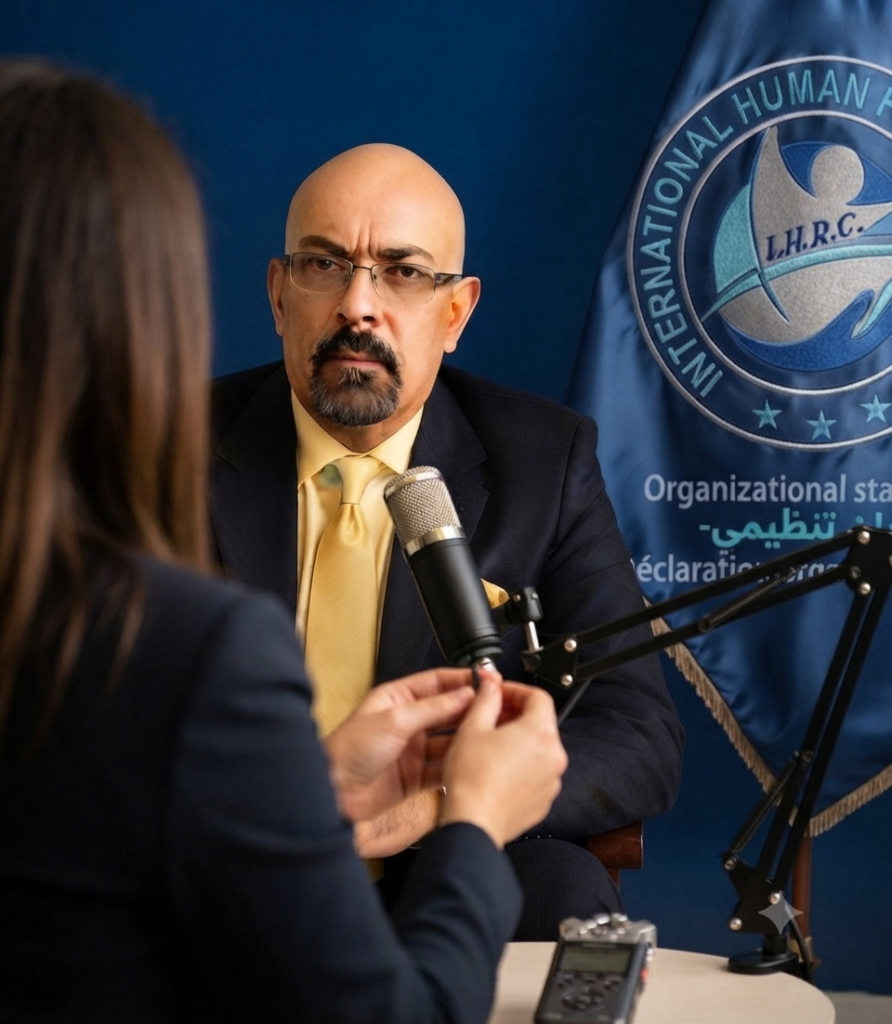
في مداخلة مع مدير وكالة الأنباء الدولية لحقوق الإنسان “كلام مسؤول”، أكد الممثل الأعلى للشؤون الخارجية للمجلس الدولي لحقوق الإنسان (IHRC)، المعتمد لدى الأمم المتحدة بصفة خاصة لدى المجلس الاقتصادي والاجتماعي (ECOSOC)، ورئيس بعثته إلى جنيف، الدكتور هيثم بو سعيد، أن منطقة الشرق الأوسط مقبلة على نزاعات خطيرة، محذراً من تداعيات تنامي الفكر التكفيري في سوريا وانعكاساته المحتملة على دول المنطقة.
وأشار بو سعيد إلى أن استمرار هذا النهج، وفق تقديره، قد يجعل من سوريا مدخلاً لانتقال التوترات والأفكار المتطرفة إلى دول أخرى، مشدداً على أن معالجة الوضع تتطلب قيام إدارة مدنية ذات طابع علماني، تكون العدالة فيها قائمة على مبدأ المساواة أمام القانون ومن دون أي تمييز على أساس ديني.
وأضاف أن المرحلة المقبلة تحتاج، بحسب رؤيته، إلى مراجعة جادة للسياسات والإجراءات التي اتُخذت خلال الأحداث الأخيرة، بما في ذلك ما يتعلق بعمليات التجنيس، بما يضمن احترام قواعد القانون وحقوق المواطنين، ويمنع تكريس أي تمييز أو تغيير ديموغرافي على أسس سياسية أو دينية.
ورأى بو سعيد أن تحقيق هذه الرؤية يواجه صعوبات كبيرة في ظل ما وصفه باختلاف التوجه الفكري للقوى المسيطرة على المشهد السوري حالياً، معتبراً أن الانتقال إلى نموذج مدني جامع يتطلب إرادة سياسية واضحة وضمانات قانونية ومؤسسات قادرة على حماية جميع المكونات من دون استثناء.
وفي ختام مداخلته، قال بو سعيد إن سقوط النظام السوري السابق كان، وفق قراءته، نتيجة مسار جرى الإعداد له مسبقاً بمشاركة أو علم دول الجوار، وبتغطية دولية واسعة، معتبراً أن ما جرى قد يكون جزءاً من مخطط أوسع لإعادة تشكيل موازين القوى وإشاعة حالة من الفوضى في المنطقة بما يسمح بتمرير أجندات ومصالح مختلفة.
وأشار إلى أن بعض دول الخليج، بحسب تقديره، تستشعر خطورة هذه التطورات، حتى وإن لم تعلن مواقفها بصورة صريحة، محذراً من أن استمرار حالة عدم الاستقرار قد يؤدي إلى تداعيات تتجاوز الحدود السورية وتمتد إلى الإقليم بأكمله.
وشدد بو سعيد على أن تداعيات هذا المسار لن تبقى محصورة في منطقة الشرق الأوسط، محذراً من أن المرحلة التالية قد تمتد إلى الدول الغربية، عندما تنتقل الجهات التي تقف وراء هذا المشروع إلى تنفيذ مخططاتها على نطاق أوسع، ما قد يفتح الباب أمام موجة جديدة من الاضطرابات والتهديدات الأمنية العابرة للحدود.
In an interview with the International News Agency for Human Rights “A responsible Statement”, H.E. Dr. Haissam Bou-Said, High Representative for External Affairs of the International Human Rights Council (IHRC), holding special consultative status with the United Nations Economic and Social Council (ECOSOC), and Head of its Mission to Geneva, warned that the Middle East is heading toward potentially dangerous conflicts as a result of the growing influence of extremist ideology in Syria.
Bou-Said cautioned that the situation in Syria could become a gateway for the spread of instability and extremist thought to other countries in the region. He stressed that lasting stability would be difficult to achieve unless the interim administration in Syria adopts a civilian and secular approach, with justice based on equality before the law and without religious discrimination.
He further stated that the current phase requires a serious review of policies and measures adopted during the recent developments, including issues related to naturalization, in a manner that safeguards the rule of law and fundamental rights and prevents discrimination or demographic changes on religious or political grounds.
According to Bou-Said, implementing such an approach faces significant challenges given what he described as the fundamentally different ideological orientation of the forces currently exercising authority in Syria. He emphasized that establishing a genuinely civilian and inclusive system requires clear political will, effective legal safeguards, and institutions capable of protecting all components of Syrian society without discrimination.
In concluding his remarks, Bou-Said said that, in his assessment, the fall of the previous Syrian regime was the result of a process that had been planned in advance by neighboring states and carried out with broad international cover. He suggested that the objective may have been to create instability across the region in order to facilitate the respective geopolitical agendas of neighboring countries.
He added that some Gulf states appear to be increasingly aware of these risks, even if they have not expressed their concerns publicly, warning that continued instability could produce consequences extending beyond Syria and affecting the wider Middle East.
Bou-Said stressed that the repercussions of this trajectory will not remain confined to the Middle East, warning that the next stage could extend to Western countries once those behind the project move toward implementing their plans on a broader scale. He cautioned that this could pave the way for a new wave of instability and cross-border security threats.
Leave a Reply