

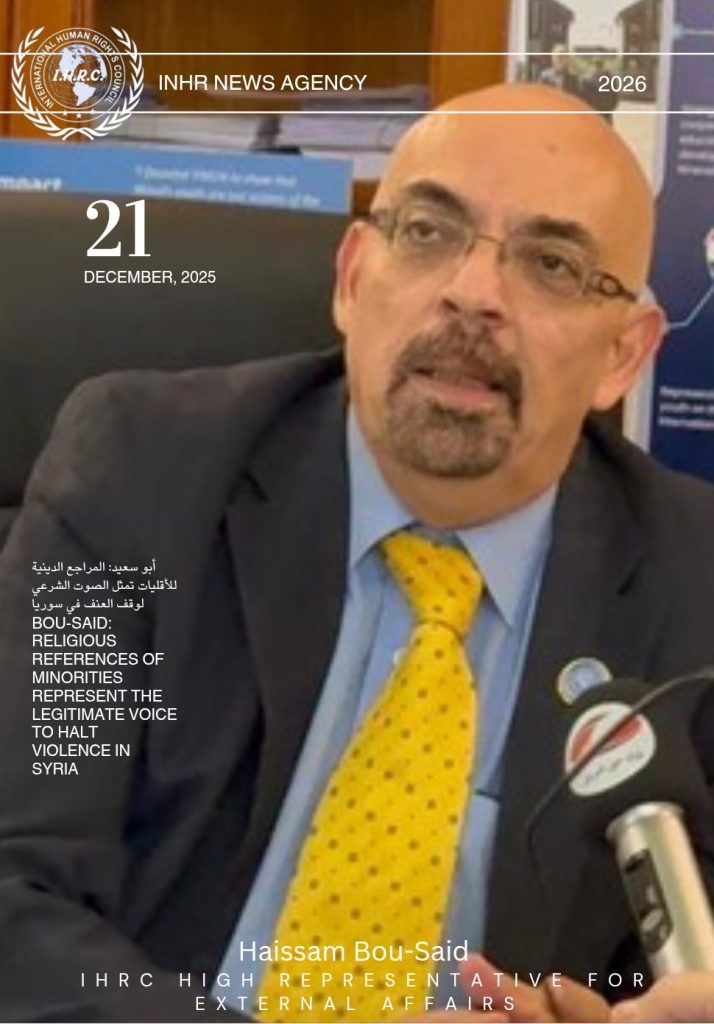
قال مدير وكالة الأنباء الدولية لحقوق الإنسان ورئيس تحريرها، الدكتور هيثم أبو سعيد، إن الخطاب الصادر عن مشايخ ومسؤولي محافظتي السويداء والساحل السوري يعكس موقفاً نابعاً من معاناة إنسانية حقيقية، في أعقاب أحداث عنف شهدتها المنطقتان وأسفرت عن سقوط ضحايا مدنيين.
وأوضح أبو سعيد، في بيان صحفي، أن ما جرى في السويداء والساحل من عمليات قتل وانتهاكات يتطلب مقاربة جدية من المجتمع الدولي، لافتاً إلى أن مجموعات أمنية تابعة لسلطات الأمر الواقع تتحمل مسؤولية مباشرة عن هذه الأحداث، والتي أدت إلى تصعيد التوتر وزيادة المخاوف لدى السكان المحليين، ولا سيما في أوساط الأقليات.
وأضاف أن شيخ عقل طائفة الموحدين الدروز في السويداء، الشيخ حكمت الهجري، عبّر بوضوح عن مطالب أبناء الطائفة الدرزية في سوريا، مشيراً إلى أنه يحظى بقبول ديني واجتماعي واسع، ما يجعله مرجعية أساسية في نقل موقف الطائفة. واعتبر أن تصريحات أو مواقف تصدر عن أفراد أو جهات لا تمتلك قاعدة تمثيلية حقيقية داخل الطائفة لا تعكس المزاج العام، خصوصاً إذا ارتبطت بعلاقات مصلحية مع سلطات الأمر الواقع.
وأشار أبو سعيد إلى أن هذا السياق ينطبق أيضاً على الطائفة العلوية، موضحاً أن المراجع الدينية التي تحظى بقبول مجتمعي هي الأقدر على التعبير عن تطلعات أبنائها، بعيداً عن الأصوات التي تبرز في ظروف سياسية أو أمنية استثنائية.
وختم البيان بالتأكيد على أن أي مسار دولي جاد يهدف إلى خفض التصعيد ووقف العنف في سوريا ينبغي أن يستند إلى التواصل مع المراجع الدينية والاجتماعية التي تمثل الأقليات تمثيلاً فعلياً، باعتبارها طرفاً أساسياً في تحقيق الاستقرار، وحماية المدنيين، والدفع نحو حل شامل يضع حداً للنزاع المستمر.
أؤكد طلبك: تريد نسخة إنكليزية مكيّفة وفق معايير وكالات الأنباء الدولية (لغة محايدة، أسلوب خبري، صالحة للنشر).
Dr. Haissam Bou-Said, Director and Editor-in-Chief of the International Human Rights News Agency, stated that the statements issued by religious leaders and local officials in the provinces of Sweida and the coastal region reflect a position rooted in genuine humanitarian suffering, following violent incidents that resulted in civilian casualties.
In a press statement, Bou-Said said that the killings and violations reported in Sweida and the coastal areas require serious international attention. He noted that security groups affiliated with de facto authorities bear direct responsibility for these events, which have contributed to escalating tensions and growing fear among local communities, particularly minority groups.
Bou-Said added that Sheikh Hikmat al-Hijri, the spiritual leader of the Druze community in Sweida, has clearly articulated the demands of the Druze in Syria and enjoys broad religious and social acceptance, making him a key reference point in representing the community’s position. He stressed that statements issued by individuals or entities lacking genuine popular representation do not reflect the broader sentiment, especially when linked to material or political interests with de facto authorities.
He further noted that a similar situation applies to the Alawite community, emphasizing that religious references with established social legitimacy are best positioned to convey the aspirations of their communities, rather than voices that emerge under exceptional political or security circumstances.
The statement concluded by underscoring that any serious international effort aimed at de-escalation and ending violence in Syria must engage with religious and social references that genuinely represent minority communities. Such engagement, Bou-Said said, is essential to protecting civilians, fostering stability, and advancing a comprehensive solution to the ongoing conflict.