

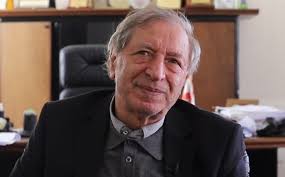
يستبعد الرئيس اللبناني العماد جوزاف عون الحرب المفتوحة على لبنان. فهو متفائل بحذر بالنسبة للمستقبل اللبناني. ذلك أنه لا يستبعد مفاجآت رئيس الحكومة الاسرائيلية بنيامين نتنياهو اللبنانية الذي يبقى قلقا ما لم يمنحه القضاء الاسرائيلي العفو طالما سيف المحاكمة جاهزا فوق رأسه. فالحرب المفتوحة على لبنان تبقى احتمالا قائما إذا لم ينجح الرئيس الأميركي دونالد ترامب في انتزاع قرار العفو من الرئيس الاسرائيلي إسحاق هرتسوغ بفعل التوازنات الداخلية والإحتكام إلى المؤسسات. والملاحظ أن هناك غموضا ملحوظا لما انتهى إليه اجتماع ترامب – نتنياهو. ورغم التأكيد على الشراكة والمصالح المشتركة فثمة إشارات على أن واشنطن متحفظة على ما حمله نتنياهو معه من خطة عسكرية لشن حرب على ايران وحزب الله في الآن نفسه. فالتوقيت لا يناسب المصالح الأميركية . ذلك أن واشنطن تؤثر سلما احتواء ايران وحزب الله عبر ضغوط مزدوجة وعبر قناة التفاوض التي تقوم بها دولة عمان بين واشنطن وطهران والتي أنتجت تقدما ملحوظا. كما تترك للسلطة اللبنانية احتواء حزب الله شمال الليطاني مصحوبا بالضربات العسكرية الاسرائيلية المتاحة للإغتيال والتدمير.
أيا يكن الحال فإن غلبة النزعة الدينية على الحكومة الاسرائيلية تبعد التفكير المنطقي وتعطي مكانا لغلبة الحلول التوراتية المرتكزة على فكرة أن الله منح اليهود صفة الشعب المختار الذي يحكم باقي الشعوب وبالتالي إنجاز دولة “اسرائيل الكبرى”. وهذه “الفكرة ” تقفز عن حقيقة أن “بلاد الشام” كانت عصية على الأفكار التوراتية من زمن السومريين والأكاديين. كما أن هذه “الأفكار التوراتية” تجعل اليهود في نزاع أبدي مع المحيط ولا تقدّم حلولا لهم في المستقبل على ما يتوهمه غلاة المتطرفين. والمستغرب أن وزير الثقافة الإسرائيلي ميكي زوهار اعتبر غزة أرضا اسرائيلية وأن الفلسطينيين المقيمين فيها هم ضيوف الدولة العبرية. أي أن حكومة اليمين الديني في اسرائيل محكومة بفكرة التوسع الجغرافي ما يعرّض “مبادرة السلام” الأميركية للرئيس دونالد ترامب إلى التعثر ليس على مستوى غزة فقط وإنما على مستوى المنطقة. ذلك أن ولي العهد السعودي سمو الأمير محمد بن سلمان يربط بين الموافقة على “الإتفاقات الإبراهيمية” وبين حل الدولتين.
والحاصل أن الوضع عاصف على مستوى المنطقة كلها: تعارضات بين المملكة العربية السعودية ودولة الإمارات العربية المتحدة بالنسبة لمستقبل اليمن وبالنسبة لدوائر النفوذ. وحول هذه الناحية اسرائيل ليست بعيدة خصوصا وأنها تحاول أن تكون حاضرة في الصومال وفي البحر الأحمر. وكذلك هناك إضرابات وتظاهرات في ايران بسبب انخفاض سعر العملة الايرانية وارتفاع الأسعار حيث يحاول الرئيس ترامب تفسيرها بشكل مغلوط وتوظيفها بسياق تصعيد التدخل في الشأن الايراني علما بأن هناك تفهما من الرئيس مسعود بزشكيان للإحتجاجات حيث أعلن صراحة “لا ينبغي تحميل استياء المواطنين لجهات خارجية كالولايات المتحدة الأميركية. فالخلل يعود إلى سوء الإدارة الداخلية. وإذا لم نحل مسألة معيشة الناس فسننتهي إلى الجحيم”. أيضا وأيضا سوريا مشتعلة بالخلافات والإنقسامات والإشتباك بين النفوذين التركي والاسرائيلي فيها على حساب وحدة سوريا وقرارها ويغذي “فكرة الأقاليم” وما تعنيه من خلافات قد تنعكس سلبا على لبنان وحدوده. واستطرادا “الداخل اللبناني” يحتاج إلى وحدة وطنية فعلية وراء “الموقف الرسمي اللبناني” للتفاوض. ومثل هذه الوحدة تتهددها فجوات كثيرة.
وكل ذلك يؤشر إلى أن السلام ليس قريبا نسبيا في لبنان والمنطقة عموما خصوصا وأن اسرائيل تراهن على أن الضربات العسكرية الاسرائيلية على حزب الله تسرّع من عملية حصرية السلاح. وهي مخطئة في ذلك.
Lebanese President General Joseph Aoun rules out an open war on Lebanon. He is cautiously optimistic about Lebanon’s future, as he does not rule out surprises from Israeli Prime Minister Benjamin Netanyahu regarding Lebanon. Netanyahu remains apprehensive unless the Israeli judiciary grants him a pardon, as long as the threat of prosecution hangs over him. An open war on Lebanon remains a possibility if US President Donald Trump fails to secure a pardon from Israeli President Isaac Herzog due to internal power dynamics and adherence to institutions. It is noteworthy that there is significant ambiguity surrounding the outcome of the Trump-Netanyahu meeting. Despite the emphasis on partnership and shared interests, there are indications that Washington is hesitant about the military plan Netanyahu brought with him to wage war on Iran and Hezbollah simultaneously. The timing does not align with US interests. Washington prefers a peaceful approach of containing Iran and Hezbollah through dual pressure and via the Omani-mediated negotiations between Washington and Tehran, which have yielded notable progress. It also leaves it to the Lebanese authorities to contain Hezbollah north of the Litani River, while Israel maintains its option of targeted assassinations and destruction. Whatever the case, the dominance of religious ideology within the Israeli government stifles logical thinking and gives way to the prevalence of biblical solutions based on the idea that God granted the Jews the status of a chosen people to rule over other nations, thus paving the way for the establishment of a “Greater Israel.” This “idea” ignores the fact that the Levant has resisted biblical concepts since the time of the Sumerians and Akkadians. Furthermore, these “biblical ideas” place the Jews in perpetual conflict with their surroundings and offer no solutions for their future, contrary to the fanatical beliefs of extremists. Surprisingly, Israeli Culture Minister Miki Zohar declared Gaza to be Israeli territory and the Palestinians residing there to be guests of the Jewish state. This demonstrates that the religious right-wing government in Israel is driven by the idea of territorial expansion, which jeopardizes President Donald Trump’s “peace initiative” not only in Gaza but also across the region. This is further evidenced by the fact that Saudi Crown Prince Mohammed bin Salman links his acceptance of the “Abraham Accords” to a two-state solution.
In short, the situation is turbulent across the entire region: there are conflicts between Saudi Arabia and the United Arab Emirates regarding the future of Yemen and spheres of influence. Israel is not far removed from this, especially as it seeks a presence in Somalia and the Red Sea. There are also strikes and demonstrations in Iran due to the devaluation of the Iranian currency and rising prices, which President Trump is attempting to misinterpret and exploit to escalate intervention in Iranian affairs. It’s worth noting that President Masoud Pezeshkian has expressed understanding for the protests, stating explicitly, “The discontent of the people should not be blamed on external parties like the United States. The problem stems from internal mismanagement. If we don’t address the people’s livelihood issues, we will end up in hell.” Furthermore, Syria is ablaze with disputes, divisions, and clashes between Turkish and Israeli influence, undermining Syrian unity and sovereignty. This fuels the “regionalism” concept and its implications, which could negatively impact Lebanon and its borders. Consequently, Lebanon needs genuine national unity behind the official Lebanese position for negotiations. Such unity is threatened by numerous gaps.
All of this indicates that peace is not relatively close in Lebanon and the region in general, especially since Israel is betting that its military strikes against Hezbollah will accelerate the process of disarming the group. It is mistaken in this.