
كتب محمود طعيمة – مدير الوكالة في مصر
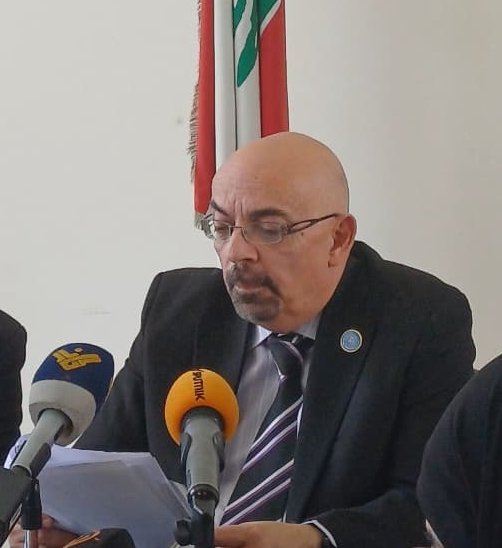
رأى الممثل الأعلى لـ المجلس الدولي لحقوق الإنسان، المعتمد من الأمم المتحدة بصفة استشارية خاصة لدى المجلس الاقتصادي والاجتماعي (ECOSOC)، ورئيس بعثته إلى جنيف، الدكتور هيثم بو سعيد، أن ما تشهده سوريا اليوم من نزاعات وتجاذبات يغلب عليها الطابع الدموي يعود أساسًا إلى تضارب البرامج والأجندات السياسية، وإلى محاولات إقصاء الآخر باستخدام القوة بدل الحوار.
وأكد أن غياب ثقافة الحوار وتقبّل التعددية أسهم في تعميق الانقسامات بين المجتمعات، وأدّى إلى فقدان الثقة المتبادلة، ما فاقم من حدة النزاع ووسع رقعته.
وأشار إلى أن سوريا ولبنان يشكّلان محورًا أساسيًا لاستقرار أو اضطراب الشرق الأوسط بحكم موقعهما الجغرافي والتاريخي، وأن أدوات الصدام باتت تتغلب على فرص السلام، في ظل عودة الهويات التاريخية إلى الواجهة بحثًا عن ضمان الوجود.
وشدد د. بو سعيد على أن سوء فهم التاريخ من قبل بعض الأكثريات دفع إلى الاعتماد على القوة كخيار، رغم فشل هذا النهج في تحقيق الاستقرار، مؤكدًا أن العودة إلى التعايش والحوار الشامل تبقى السبيل الوحيد لوقف النزف الإنساني والاجتماعي المستمر.
Dr. Haissam Bou Said, High Representative of the International Human Rights Council, accredited by the United Nations with Special Consultative Status at the Economic and Social Council (ECOSOC), and Head of its Mission to Geneva, stated that the ongoing violent tensions in Syria are primarily driven by conflicting political agendas and programs, alongside efforts to marginalize others through the use of force rather than dialogue.
He emphasized that the absence of dialogue and acceptance of diversity has deepened societal divisions and eroded mutual trust, thereby intensifying and prolonging the conflict.
Dr. Bou Said noted that Syria and Lebanon are central to either stabilizing or destabilizing the Middle East, due to their geographic and historical significance, and that instruments of confrontation currently outweigh opportunities for peace, amid the re-emergence of historical identities seeking to safeguard their existence.
He concluded by stressing that misinterpretations of history by certain majorities have led to a reliance on force that has failed to deliver stability, reaffirming that inclusive coexistence and comprehensive dialogue remain the only viable path to ending the ongoing human and social suffering.