

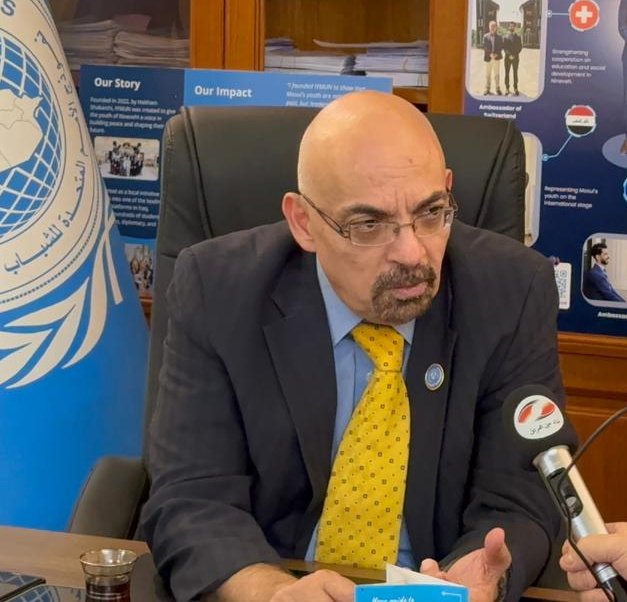
صرّح الممثل الأعلى لشؤون الخارجية في المجلس الدولي لحقوق الإنسان، المعتمد بصفة خاصة لدى المجلس الاقتصادي والاجتماعي للأمم المتحدة (إيكوسوك)، ورئيس بعثته إلى جنيف، الدكتور هيثم بو سعيد، بأن نقاشات جرت في الآونة الأخيرة حول مقاربات مقترحة تتصل بالوضع الأمني والإنساني في جنوب الجمهورية العربية السورية.
وأوضح الدكتور بو سعيد أن من بين هذه الطروحات ما يتعلق بتأمين ممرات آمنة من المناطق الحدودية إلى مناطق تقطنها مكونات اجتماعية سورية، ولا سيما أبناء الطائفة الدرزية، وذلك في إطار مقاربة تُقدَّم تحت عناوين حماية الأقليات ومواجهة التهديدات المرتبطة بنشاط جماعات مصنفة إرهابية، إضافة إلى اعتبارات أمنية استراتيجية لبعض الأطراف الإقليمية.
وأشار إلى أن هذه المقاربات طُرحت ضمن سياقات نقاشية شهدت تفهمًا في بعض الأوساط، مقابل حزم من الإجراءات والدعم الاقتصادي التي يُفترض أن تسهم في تحسين الظروف المعيشية للمجتمع السوري، مؤكدًا أن أي نقاش من هذا النوع جرى ربطه، من حيث المبدأ، بالإطار العام للقرار الأممي رقم 2254، بوصفه المرجعية الدولية الوحيدة المعتمدة للحل السياسي في سوريا.
وشدد الدكتور بو سعيد على أن المجلس الدولي لحقوق الإنسان يؤكد، في جميع مواقفه، على ضرورة احترام سيادة الجمهورية العربية السورية ووحدة أراضيها، والالتزام الكامل بمبادئ القانون الدولي وميثاق الأمم المتحدة، بما في ذلك عدم جواز اتخاذ أي ترتيبات أمنية أو عسكرية خارج الأطر الشرعية الدولية.
كما جدّد التأكيد على أن حماية حقوق الأقليات تمثل مبدأً أصيلًا من مبادئ حقوق الإنسان، وتتحقق من خلال آليات وطنية ودولية مشروعة، وضمن مقاربة شاملة تحافظ على السلم الأهلي وتمنع توظيف القضايا الحقوقية في سياقات سياسية أو أمنية ضيقة.
وختم البيان بالتشديد على أن أي دعم اقتصادي أو إنساني يجب أن يندرج ضمن مسار سياسي شامل، يضمن استفادة الشعب السوري دون شروط تمس حقوقه السيادية، وبما ينسجم مع قرارات الأمم المتحدة ذات الصلة، وفي مقدمتها القرار 2254.
أعيد طلبك للتأكيد:
Dr. Haissam Bou-Said, the High Representative for Foreign Affairs of the International Human Rights Council, holding Special Consultative Status with the United Nations Economic and Social Council (ECOSOC), and Head of its Mission to Geneva, stated that recent discussions have taken place regarding proposed security and humanitarian approaches related to the situation in the southern region of the Syrian Arab Republic.
Dr. Bou-Said explained that among the proposals discussed were arrangements concerning the establishment of secure corridors extending from border areas to regions inhabited by specific Syrian social components, particularly members of the Druze community. These proposals were presented within a framework emphasizing the protection of minorities and addressing security threats linked to the activities of groups designated as terrorist organizations, in addition to strategic security considerations expressed by certain regional actors.
He noted that such approaches were raised within consultative contexts that witnessed a degree of understanding in some circles, in exchange for packages of economic measures and support initiatives intended to contribute to improving living conditions for Syrian communities. He stressed that any such discussions were, in principle, linked to the overall framework of United Nations Security Council Resolution 2254, which remains the sole internationally recognized reference for a political solution in Syria.
Dr. Bou-Said reaffirmed that the International Council for Human Rights consistently emphasizes the necessity of respecting the sovereignty, independence, and territorial integrity of the Syrian Arab Republic, and of adhering fully to the principles of international law and the Charter of the United Nations, including the prohibition of any security or military arrangements outside internationally legitimate frameworks.
He further underscored that the protection of minority rights constitutes a fundamental principle of international human rights law and must be pursued through legitimate national and international mechanisms, within a comprehensive approach that preserves social cohesion and prevents the instrumentalization of human rights issues for narrow political or security objectives.
The statement concluded by reaffirming that any economic or humanitarian support should be embedded within a comprehensive political process that ensures benefits reach the Syrian people without conditions that undermine their sovereign rights, and in full accordance with relevant United Nations resolutions, foremost among them Security Council Resolution 2254.