

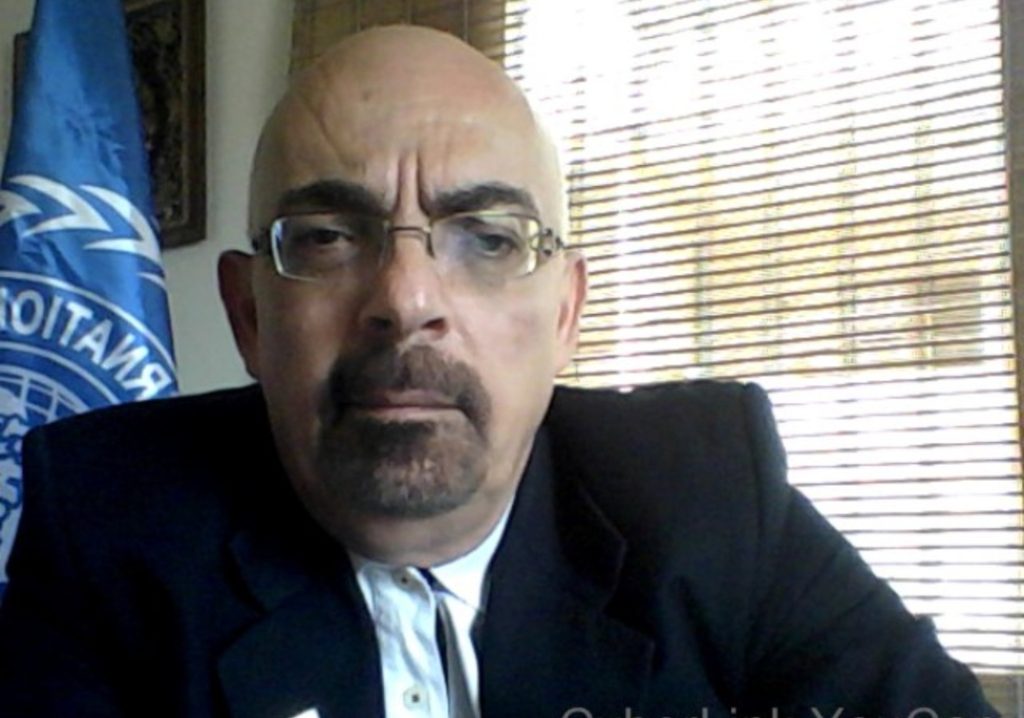
رأى مدير ورئيس تحرير وكالة الأنباء الدولية لحقوق الإنسان الدكتور هيثم بو سعيد، وفي حديث خاص مع وكالة الأنباء الدولية لحقوق الإنسان بحضور مدير مكتبها في مصر محمد طعيمة، أن توصيف نظام الحكم الحالي في سوريا وربطه بمجموعات تُنسب إلى بني أمية وتقديمه تحت غطاء الادعاء بالإسلام، هو طرح غير واقعي ومجافٍ للقراءة التاريخية الموضوعية.
وأشار د. بو سعيد إلى أن استدعاء النموذج الأموي في السياق السياسي المعاصر يتجاهل الطبيعة المركّبة للمرحلة التاريخية التي عُرفت بـ الدولة الأموية، والتي شهدت أحداثًا معقدة وصراعات سياسية وعسكرية شديدة في القرن السابع الميلادي، ضمن ظروف تاريخية مختلفة كليًا عن واقع اليوم.
وأوضح أن اسم الدولة الأموية ارتبط تاريخيًا بحادثة حصار مكة خلال الصراع مع عبد الله بن الزبير، حيث قام جيش الحصين بن نمير بقصف الكعبة بالمنجنيق، وهي من الوقائع التي لا تزال محل جدل بين المؤرخين في تفسير دوافعها ومسؤولياتها المباشرة.
وأضاف أن تلك المرحلة شهدت ما يُعرف في كتب التاريخ الإسلامي بـ”الفتن الكبرى”، إلا أن توصيفها يختلف بين الباحثين؛ فبينما يراها البعض “فتنًا” ذات طابع ديني داخلي، يعتبرها آخرون سياقات سياسية وعسكرية مرتبطة بصراعات على السلطة ضمن معادلات زمنها.
وختم د. بو سعيد بالتأكيد على أن قراءة التاريخ تتطلب مقاربة علمية متوازنة، بعيدًا عن التوظيف السياسي أو الإسقاطات المعاصرة، لما لذلك من أثر على فهم الوقائع وصياغة المواقف في الحاضر، وخصوصا تاريخ سوريا المجيد والاستقلال الذي قاده سلطان باشا الاطرش ضد الاحتلال الفرنسي.
Dr. Haissam Bou Said, Director and Editor-in-Chief of the International News Agency for Human Rights, stated in remarks to the agency, alongside its Egypt Office Director Mohamed Tuaima, that describing the current system of governance in Syria as being controlled by groups linked to the Umayyads and acting under the claim of Islam is an unrealistic and historically imprecise assumption.
Dr. Bou-Said explained that invoking the historical model of the Umayyad Caliphate in today’s political context overlooks the complex nature of that historical period, which was marked by intense political and military conflicts during the seventh century.
He noted that the name of the Umayyad state has historically been associated with the siege of Mecca during the conflict with Abdullah ibn al-Zubayr, when forces led by Husayn ibn Numayr reportedly shelled the Kaaba with catapults. These events remain subject to differing historical interpretations regarding motives and direct responsibility.
He further emphasized that what are referred to in Islamic historiography as the “major fitan” (civil strife) are viewed differently by scholars—some interpret them as religiously framed internal conflicts, while others consider them political and military struggles over authority within their historical context.
Dr. Bou-Said concluded by stressing that historical analysis must be approached with scholarly balance, free from contemporary political projections, as misusing history can distort both understanding of the past and assessment of present realities, Especially Syria’s glorious history and the independence led by Sultan Pasha al-Atrash against the French occupation