
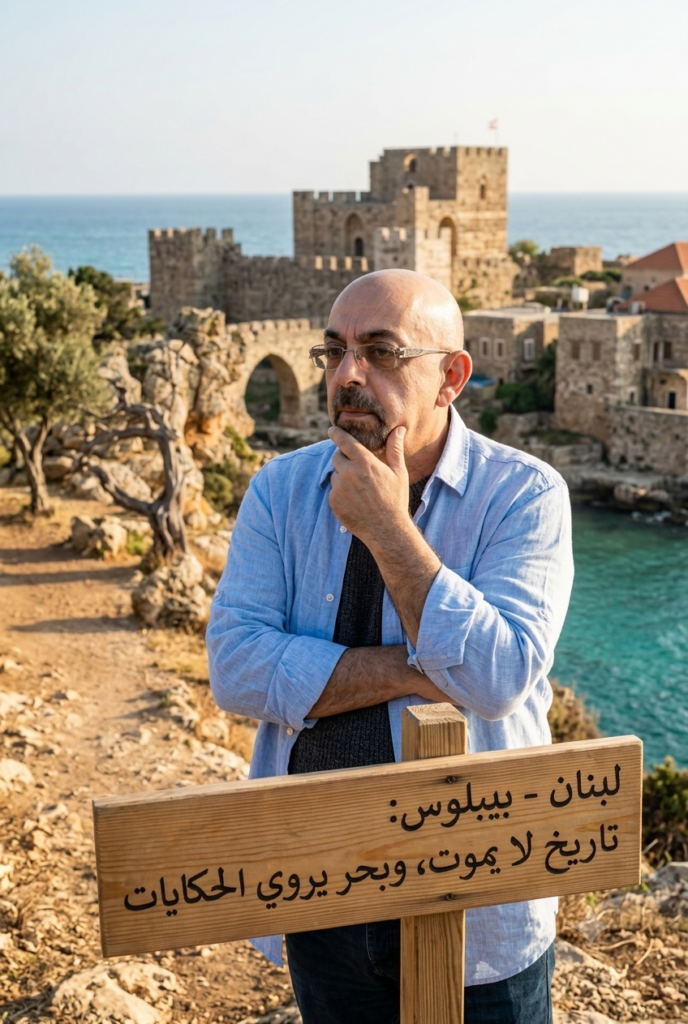
هيثم بو سعيد: الإنسان قبل الأديان السماوية اعتمد على الفطرة والقيم الإنسانية في بناء مجتمعاته
Haissam Bou-Said: Before the Abrahamic religions, humans relied on innate nature and human values in building their societies
أشار مدير ورئيس وكالة الأنباء الدولية لحقوق الإنسان السيد هيثم بو سعيد إلى أن دراسة التاريخ الإنساني تُظهر أن الإنسان، قبل نزول الأديان السماوية، لم يكن يعيش في فراغ تنظيمي أو أخلاقي، بل اعتمد على الفطرة الإنسانية، والتأمل في الكون، وتجارب الحياة المتراكمة لبناء قواعد تساعده على الاستمرار وتنظيم شؤونه.
وأوضح بو سعيد أن المجتمعات البشرية الأولى طورت أنظمة اجتماعية تقوم على روابط القبيلة والعشيرة، حيث كانت الجماعة تشكل الإطار الأساسي للحماية والتنظيم، وكان الحكماء وشيوخ القبائل يتولون معالجة الخلافات وإدارة شؤون الناس وفق أعراف وتقاليد متوارثة.
وأضاف أن العرف كان بمثابة منظومة قانونية غير مكتوبة، ساهمت في ضبط العلاقات بين الأفراد وحفظ التوازن داخل المجتمعات، في وقت اعتمد الإنسان القديم على الصيد والزراعة وجمع الغذاء وصناعة الأدوات لتأمين احتياجاته الأساسية.
وأشار إلى أن الحياة الاقتصادية والتجارية قامت في مراحلها الأولى على المقايضة وتبادل المنتجات، قبل ظهور العملات، كما شكلت الأسواق الموسمية أماكن للتبادل التجاري والاجتماعي وتسوية بعض النزاعات وفق القواعد المتعارف عليها.
وأكد بو سعيد أن القيم الأخلاقية لم تكن مرتبطة فقط بالنصوص الدينية، بل عرف الإنسان منذ القدم مبادئ إنسانية أساسية مثل الصدق والأمانة وإكرام الضيف والتعاون، كما لجأ إلى التحكيم عبر أصحاب الخبرة والحكمة للفصل في النزاعات، رغم أن بعض المجتمعات القديمة عرفت أيضاً أنظمة عقابية قاسية مرتبطة بمفاهيم الثأر والردع القبلي.
ولفت إلى أنه مع ظهور الأديان السماوية وتعدد التفسيرات والاجتهادات داخل المذهب الواحد حول الأحكام وطرق تطبيقها، برزت خلافات واختلافات في الرؤى جعلت بعض هذه القراءات غير قادرة على تلبية احتياجات المجتمعات الإنسانية المتنوعة، خصوصاً في البيئات التي تضم تعدداً ثقافياً ودينياً، مؤكداً أن ما يخدم الإنسان يجب أن يقوم على القيم المشتركة والعدالة واحترام الكرامة الإنسانية.
وختم بالقول إن تطور الحضارات الإنسانية جاء نتيجة تراكم التجارب البشرية، وأن احترام كرامة الإنسان والبحث عن العدالة وحماية الحقوق هي مسيرة ممتدة عبر التاريخ، سبقت الكثير من أشكال التنظيم الحديثة، وتشكل أساساً مشتركاً بين مختلف الشعوب والثقافات.
The Director and President of the International Human Rights News Agency, Mr. Haissam Bou-Said, stated that the study of human history shows that before the emergence of the Abrahamic religions, humans did not live in a state of organizational or moral emptiness. Rather, they relied on human nature, contemplation of the universe, and accumulated life experiences to establish principles that helped them survive and organize their affairs.
Bou-Said explained that early human societies developed social systems based on tribal and clan ties, where the community represented the primary framework for protection and organization. Wise individuals and tribal elders were responsible for resolving disputes and managing people’s affairs according to inherited customs and traditions.
He added that customs served as an unwritten legal system that contributed to regulating relationships between individuals and maintaining balance within societies. At that time, early humans relied on hunting, agriculture, gathering food, and tool-making to secure their basic needs.
He pointed out that economic and commercial life in its early stages was based on barter and the exchange of goods before the emergence of currencies. Seasonal markets also became places for commercial and social exchange, as well as for resolving certain disputes according to commonly accepted rules.
Bou-Said emphasized that moral values were not linked solely to religious texts. Humanity has recognized fundamental human principles since ancient times, such as honesty, trustworthiness, hospitality, and cooperation. People also relied on arbitration through those with experience and wisdom to settle disputes, although some ancient societies also had harsh punitive systems associated with concepts of revenge and tribal deterrence. With the emergence of the Abrahamic religions and the diversity of interpretations and scholarly opinions within the same religious tradition regarding rulings and methods of implementation, disagreements and differing perspectives emerged, making some interpretations unable to meet the needs of diverse human societies, especially in environments characterized by cultural and religious plurality. He stressed that what serves humanity must be based on shared values, justice, and respect for human dignity.
He concluded by saying that the development of human civilizations resulted from the accumulation of human experiences, and that respecting human dignity, seeking justice, and protecting rights represent a continuous journey throughout history. This journey preceded many forms of modern organization and constitutes a common foundation among different peoples and cultures.
Leave a Reply