
Dr. Haissam Bou-Said: Southern Syria Is a Strategic Pillar in Regional Security, and State Reconstruction Requires a Comprehensive National Approach
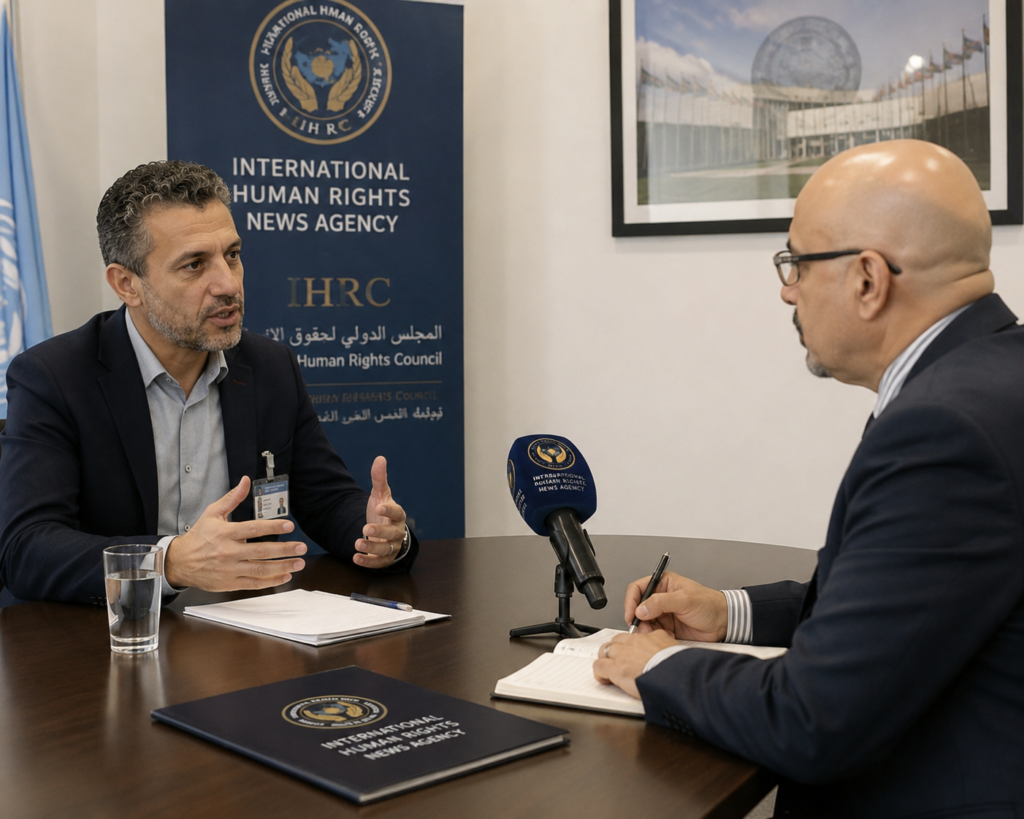
د. هيثم بو سعيد: الجنوب السوري محور استراتيجي في معادلات الأمن الإقليمي وإعادة بناء الدولة تتطلب مقاربة وطنية شاملة.
Dr. Haissam Bou-Said: Southern Syria Is a Strategic Pillar in Regional Security, and State Reconstruction Requires a Comprehensive National Approach
أكد الممثل الأعلى للشؤون الخارجية للمجلس الدولي لحقوق الإنسان (IHRC) المعتمد بصفة خاصة لدى المجلس الاقتصادي والاجتماعي للأمم المتحدة (ECOSOC) ورئيس بعثته إلى جنيف الدكتور هيثم بو سعيد أن المنطقة الجنوبية في سوريا تشكل أحد أهم المحاور الاستراتيجية في التوازنات الإقليمية، نظراً لما تختزنه من موارد مائية وموقع جغرافي مؤثر في حركة الطاقة والتجارة عبر بلاد الشام.
وأوضح الدكتور بو سعيد أن الجنوب السوري يكتسب أهمية خاصة في ملف الأمن المائي بسبب ارتباطه بحوض نهر اليرموك والمناطق المتاخمة لبحيرة طبريا، وما تضمه من سدود ومجاري مائية رئيسية، معتبراً أن هذه العوامل تمنح المنطقة وزناً استراتيجياً في إدارة الموارد المائية الإقليمية.
وأضاف أن الأهمية الاقتصادية للجنوب لا تقتصر على المياه فحسب، بل تمتد إلى قطاع الطاقة، حيث يمثل موقعه الجغرافي نقطة عبور محتملة لمشاريع خطوط الغاز والطاقة الإقليمية، الأمر الذي ينعكس مباشرة على مسارات التجارة والطاقة في المشرق العربي.
وفي الشأن الداخلي السوري، رأى الدكتور بو سعيد أن الإدارة الحالية تسعى إلى إعادة بناء المؤسسة العسكرية من خلال إعادة العمل بالتجنيد الإجباري ليشمل مختلف مكونات الشعب السوري، إلا أن هذه المحاولة لم تحقق نتائج ملموسة حتى الآن، مشيراً إلى أن استمرار نفوذ الجماعات المتشددة داخل بعض مفاصل الأجهزة الأمنية والعسكرية يشكل عائقاً أساسياً أمام قيام مؤسسة عسكرية وطنية جامعة.
كما اعتبر أن السياسات العربية لم تتجه حتى الآن نحو معالجة هذه الإشكاليات بصورة مباشرة، بل ركزت بدرجات متفاوتة على دعم الإدارة القائمة في دمشق بدلاً من الدفع نحو مسار وطني شامل يقوم على المصالحة ولمّ الشمل بين مختلف مكونات المجتمع السوري.
وختم الدكتور بو سعيد بالتأكيد على أن حالة انعدام الثقة لا تزال قائمة لدى شرائح من المواطنين المنتمين إلى الأقليات، والذين يبدون تحفظاً على التعاون مع السلطات في دمشق في ظل المخاوف المرتبطة بالأداء الأمني والسياسي، مشدداً على أن تحقيق الاستقرار المستدام في سوريا يتطلب ضمانات حقيقية للمشاركة المتساوية وبناء دولة تستوعب جميع أبنائها دون استثناء.
Dr. Haissam Bou-Said, High Representative for Foreign Affairs of the International Human Rights Council (IHRC), which holds Special Consultative Status with the United Nations Economic and Social Council (ECOSOC), and Head of its Mission to Geneva, stated that southern Syria represents one of the most important strategic axes in regional security and economic calculations because of its water resources and its geographic role in energy and trade routes across the Levant.
Dr. Bou-Said explained that the region carries particular significance in terms of water security due to its connection to the Yarmouk River Basin, key dams, and watercourses near the Sea of Galilee, which together give southern Syria considerable strategic weight in the management of regional water resources.
He added that the area’s importance extends beyond water issues to the energy sector, as its location could serve as a major transit corridor for regional gas pipelines and energy infrastructure projects, directly affecting trade and energy routes throughout the Eastern Mediterranean and the Arab Mashreq.
Regarding Syria’s internal situation, Dr. Bou-Said said that the current administration appears to be attempting to rebuild the military institution through the reintroduction of compulsory military service involving all segments of Syrian society. However, he argued that these efforts have not yet produced tangible results, citing the continued influence of extremist armed groups within parts of the security and military apparatus as a major obstacle to the formation of a unified national army.
He also stated that Arab policies have not effectively addressed these challenges, focusing instead, to varying degrees, on supporting the administration in Damascus rather than promoting a comprehensive national path based on reconciliation and the reunification of Syrian society.
Dr. Bou-Said concluded that a significant level of distrust remains among segments of Syria’s minority communities, many of whom remain reluctant to cooperate with the authorities in Damascus because of ongoing security and political concerns. He stressed that achieving sustainable stability in Syria requires genuine guarantees of equal participation and the construction of a state capable of representing all Syrians without exception.
Leave a Reply