
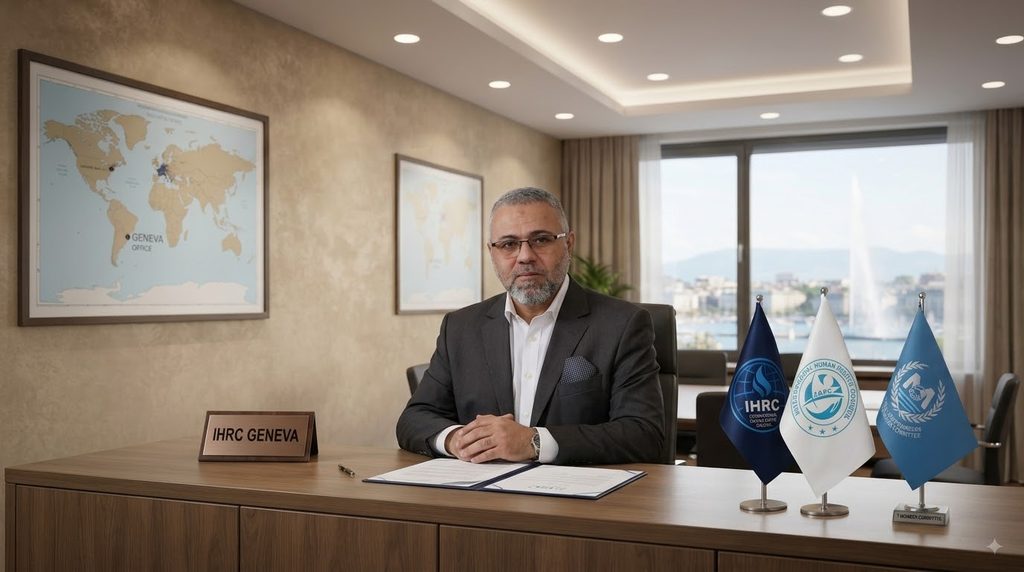
صرّح الدكتور حيدر الشرع، المستشار الأول لسعادة الأمين العام الدولي للمجلس الدولي لحقوق الإنسان (IHRC)، المعتمد لدى الأمم المتحدة بصفة استشارية خاصة لدى المجلس الاقتصادي والاجتماعي (ECOSOC)، الدكتور هيثم بو سعيد، بأن قرار الاحتياطي الفيدرالي الأميركي المتعلق برفع القيود عن بعض الصيرفات العراقية يثير تساؤلات مهمة بشأن واقع النظام المصرفي في العراق، ومدى قدرة المصارف الرسمية على أداء دورها في تنظيم التحويلات المالية وتوفير الاستقرار النقدي.
وأوضح الشرع أن هذه التطورات تستدعي قراءة دقيقة لتداعياتها الاقتصادية والمالية، ولا سيما في ظل وجود قنوات مالية موازية تعمل خارج الإطار المصرفي التقليدي. وأشار إلى أن الاعتماد المتزايد على هذه القنوات، بدلاً من تعزيز دور المصارف الرسمية، قد يضعف الثقة بالقطاع المصرفي ويزيد من صعوبة ضبط حركة الأموال ومراقبة التحويلات المالية.
وأضاف أن وجود نظام مالي موازٍ واسع التأثير قد يؤدي إلى تراجع الدور الفعلي للمصارف في إدارة العمليات المالية، كما قد يخلق تفاوتاً بين أسعار الصرف الرسمية والأسعار المتداولة في السوق، الأمر الذي ينعكس على التجار والمستثمرين والمواطنين، خصوصاً فيما يتعلق باستيراد السلع وتسديد الالتزامات المالية وتحويل الأموال إلى الخارج.
وأكد الشرع أن أي إجراءات تتعلق بالقطاع المصرفي العراقي ينبغي أن تُفهم في ضوء طبيعة القيود المفروضة على المؤسسات المالية، وأسباب رفعها أو تعديلها، ومدى التزام الجهات المعنية بالمعايير الدولية الخاصة بالامتثال المالي ومكافحة غسل الأموال وتمويل الأنشطة غير المشروعة. وشدد على أن معالجة هذه الملفات تتطلب شفافية أكبر وتنسيقاً فعالاً بين السلطات العراقية والجهات المالية الدولية.
وأشار إلى أن استمرار الاعتماد على القنوات المالية الموازية من دون إصلاحات مصرفية حقيقية قد يؤدي إلى إضعاف فعالية السياسة النقدية، ويحدّ من قدرة البنك المركزي العراقي على تحقيق الاستقرار في سوق الصرف. كما أن اتساع الفجوة بين السعر الرسمي والسعر الموازي، إن استمر، قد يزيد من الضغوط على الاقتصاد ويؤثر في القدرة الشرائية للمواطنين ويحدّ من فرص الاستثمار.
ودعا الشرع الحكومة العراقية والبنك المركزي العراقي إلى وضع إصلاحات عملية وملزمة تهدف إلى إعادة بناء الثقة بالمصارف الرسمية، وتطوير أنظمة التحويلات المالية، وتعزيز الرقابة والحوكمة، وتسهيل الإجراءات المصرفية أمام الشركات والمواطنين، بما يضمن توفير خدمات مالية أكثر كفاءة وشفافية.
كما شدد على ضرورة مراجعة أسباب تعثر بعض المصارف أو خضوعها للقيود، والعمل على معالجة نقاط الضعف المؤسسية والتقنية والإدارية، بدلاً من الاكتفاء بإجراءات مؤقتة لا تعالج جذور المشكلة. وأكد أن إصلاح القطاع المصرفي لا يتحقق بالقرارات الإدارية وحدها، بل يحتاج إلى خطة متكاملة تتضمن تحديث البنية التحتية المالية، وتطبيق معايير الامتثال الدولية، ومكافحة الفساد، وتعزيز استقلالية المؤسسات الرقابية، وضمان تكافؤ الفرص بين المصارف العاملة وفق الأطر القانونية.
وختم الدكتور حيدر الشرع تصريحه بالتأكيد على أن قوة الاقتصاد العراقي ترتبط بوجود نظام مصرفي رسمي موثوق وقادر على استقطاب الأموال وتنظيم التحويلات وحماية حقوق المودعين. وحذّر من أن استمرار الاعتماد على النظام المالي الموازي على حساب المصارف الرسمية قد يفاقم المخاطر الاقتصادية والنقدية، داعياً الحكومة العراقية إلى التعامل مع هذه التطورات باعتبارها فرصة جدية لتسريع الإصلاحات الضرورية، وتعزيز الاستقرار المالي، وحماية مصالح المواطنين، وترسيخ الثقة بالاقتصاد العراقي على المستويين المحلي والدولي.
Dr Haidar Al-Sharaa, First Adviser to H.E. Dr Haissam Bou-Said, International Secretary-General of the International Human Rights Council (IHRC), holding Special Consultative Status with the United Nations Economic and Social Council (ECOSOC), stated that the US Federal Reserve’s decision concerning the lifting of restrictions on certain Iraqi exchange companies raises important questions about the current state of Iraq’s banking system and the ability of official financial institutions to fulfil their role in regulating financial transfers and maintaining monetary stability.
Dr Al-Sharaa explained that these developments require careful assessment of their economic and financial implications, particularly in light of the existence of parallel financial channels operating outside the traditional banking system. He noted that increasing reliance on such channels, rather than strengthening the role of official banks, could weaken public confidence in the banking sector and make it more difficult to monitor financial flows and ensure transparency in money transfers.
He added that the growing influence of parallel financial channels could reduce the effective role of banks in managing financial transactions and contribute to disparities between official exchange rates and rates prevailing in the parallel market. Such differences can affect traders, investors and ordinary citizens, particularly in relation to imports, international payments and the transfer of funds abroad.
Dr Al-Sharaa emphasised that any measures affecting Iraq’s banking sector must be understood in the context of the specific restrictions imposed on financial institutions, the reasons for imposing or lifting those restrictions, and the extent to which the institutions concerned comply with international standards on financial compliance and the prevention of money laundering and illicit financing. He stressed that addressing these issues requires greater transparency and effective coordination between Iraqi authorities and international financial institutions.
He further warned that continued reliance on parallel financial channels without meaningful banking reforms could undermine the effectiveness of monetary policy and limit the Central Bank of Iraq’s ability to maintain stability in the foreign exchange market. If the gap between the official and parallel exchange rates persists, it could intensify economic pressures, affect citizens’ purchasing power and discourage investment.
Accordingly, Dr Al-Sharaa called on the Iraqi government and the Central Bank of Iraq to implement practical and binding reforms aimed at restoring confidence in official banks, modernising financial transfer systems, strengthening oversight and governance, and simplifying banking procedures for businesses and citizens. These measures, he stressed, are essential to ensuring more efficient, transparent and accessible financial services.
He also called for a comprehensive review of the reasons why certain banks and exchange companies have encountered operational difficulties or become subject to restrictions. He emphasised the importance of addressing institutional, technical and administrative weaknesses rather than relying on temporary measures that fail to resolve the underlying problems.
Dr Al-Sharaa noted that banking reform cannot be achieved through administrative decisions alone. It requires a comprehensive strategy involving the modernisation of financial infrastructure, the implementation of international compliance standards, the fight against corruption, the strengthening of independent regulatory oversight and the establishment of a level playing field for financial institutions operating within the law.
In conclusion, Dr Haidar Al-Sharaa stressed that the strength of the Iraqi economy depends on a reliable and effective official banking system capable of attracting deposits, regulating financial transfers and protecting depositors’ rights.
He warned that continued dependence on parallel financial channels at the expense of official banking institutions could increase economic and monetary risks. He therefore urged the Iraqi government to treat these developments as an opportunity to accelerate essential reforms, strengthen financial stability, protect citizens’ interests and restore confidence in the Iraqi economy at both the domestic and international levels.
Leave a Reply