
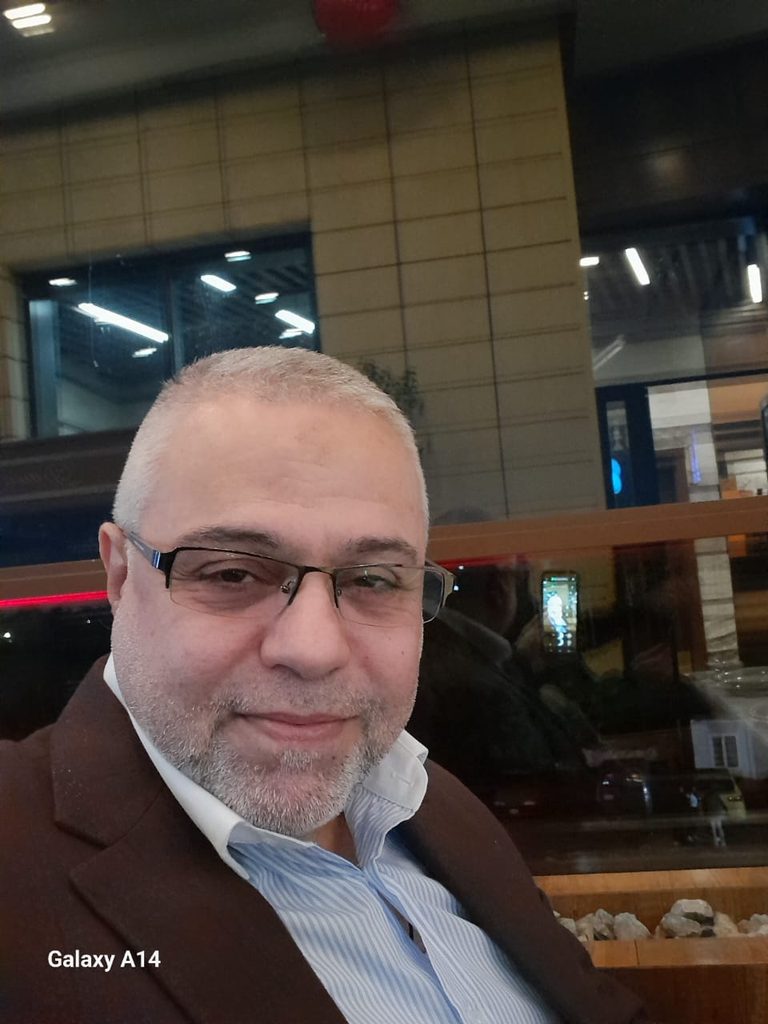
الدكتور حيدر الشرع: غياب الرؤية الاستراتيجية يضع العالم والشرق الأوسط أمام مخاطر الفوضى والاضطرابات الاقتصادية
Dr Haidar Al-Sharaa: The Absence of Strategic Vision Exposes the World and the Middle East to Political Instability and Economic Risks
المجلس الدولي لحقوق الإنسان IHRC | متابعة دولية
حذّر الدكتور حيدر الشرع، المستشار الأول لسعادة الأمين العام الدولي للمجلس الدولي لحقوق الإنسان IHRC، الدكتور هيثم بو سعيد، من التداعيات الخطيرة لغياب البرامج الاستراتيجية والخطط الاستباقية لدى عدد من القوى الدولية والإقليمية، معتبراً أن العالم، ومنطقة الشرق الأوسط على وجه الخصوص، باتا يعيشان حالة متقدمة من ردود الفعل تجاه احتمالات وأحداث لم تُحدّد مسبقاً آليات التعامل معها.
وقال الدكتور الشرع إن غياب التخطيط بعيد المدى وعدم وضوح الأولويات السياسية والاقتصادية وضعا العديد من الدول أمام حالة من عدم اليقين، حيث أصبحت القرارات تُتخذ في كثير من الأحيان كردود فعل على تطورات واحتمالات متسارعة، بدلاً من أن تستند إلى رؤى استراتيجية قادرة على استشراف المستقبل واحتواء الأزمات قبل تفاقمها.
وأضاف أن حالة الارتباك في توجهات بعض القيادات وصنّاع القرار قد تؤدي إلى تغييرات سياسية واقتصادية غير محسوبة، الأمر الذي يرفع احتمالات انتقال الاضطرابات الداخلية من نطاقها الوطني إلى المحيط الإقليمي، بما قد ينعكس على استقرار المنطقة بأكملها، خصوصاً في ظل الترابط المتزايد بين الأزمات السياسية والأمنية والاقتصادية.
وعلى الصعيد الاقتصادي، أعرب الدكتور الشرع عن مخاوفه من أن تتطور حالة عدم الاستقرار إلى اضطرابات واسعة في أسواق الأسهم والاستثمارات الدولية، بما يهدد اقتصادات الدول التي تعتمد بصورة أساسية على الموارد الريعية أو على مصدر اقتصادي واحد، وهي الاقتصادات الأكثر حاجة إلى سياسات تنويع اقتصادي وإدارة فعّالة للمخاطر والتحولات العالمية.
وأشار إلى أن التقلبات التي شهدتها الأسواق المالية العالمية تعيد طرح تساؤلات جدية حول مدى استعداد الحكومات والمؤسسات الاقتصادية لمواجهة السيناريوهات المحتملة، ومدى امتلاكها خططاً واضحة لحماية الاستثمارات والمحافظة على الاستقرار المالي والحد من انعكاسات الأزمات الدولية على الاقتصادات الوطنية.
وأكد الدكتور الشرع أن المرحلة المقبلة تتطلب الانتقال من سياسة إدارة الأزمات بعد وقوعها إلى اعتماد التخطيط الاستباقي، وتطوير أدوات الإنذار المبكر، وتعزيز التنسيق الدولي والإقليمي، إلى جانب وضع أولويات اقتصادية واضحة تأخذ في الاعتبار التحولات الجيوسياسية ومخاطر الأسواق المالية وأمن الطاقة وسلاسل الإمداد.
وختم تصريحه بالتأكيد على أن الاستقرار لا يمكن أن يتحقق من خلال القرارات الآنية وردود الفعل المؤقتة، بل يحتاج إلى رؤية سياسية واقتصادية متكاملة، وإلى مؤسسات قادرة على قراءة المتغيرات والتعامل معها بمسؤولية، مشدداً على أن كلفة غياب التخطيط لا تتوقف عند حدود دولة بعينها، بل قد تمتد آثارها إلى الإقليم والعالم، وتنعكس بصورة مباشرة على المجتمعات ومستويات المعيشة وفرص التنمية.
International Human Rights Council (IHRC) | International Coverage
Dr Haidar Al-Sharaa, Senior Adviser to the International Secretary-General of the International Human Rights Council (IHRC), Dr Haitham Bou-Said, has warned of the serious consequences arising from the absence of strategic programmes, forward-looking policies and proactive planning among several international and regional powers.
He noted that the world, and the Middle East in particular, have increasingly found themselves in a situation characterised by reactive decision-making, in which governments respond to potential developments and emerging crises without having sufficiently clear strategies or comprehensive contingency plans in place.
Dr Al-Sharaa stated that the lack of long-term planning and the absence of clearly defined political and economic priorities have placed numerous countries in a state of uncertainty. Decisions are increasingly being taken in response to rapidly evolving circumstances rather than being guided by strategic visions capable of anticipating future challenges and containing crises before they escalate.
He further explained that uncertainty and inconsistency in the approaches adopted by certain political leaders and decision-makers could lead to unpredictable political and economic changes. Such developments may increase the risk of domestic instability spreading beyond national borders, potentially affecting the wider regional environment and threatening the stability of the Middle East as a whole.
Economic Risks and Global Financial Markets
Addressing the economic dimension, Dr Al-Sharaa expressed particular concern about the possibility that continuing instability could trigger further turbulence in international stock markets and investment environments.
He emphasised that countries whose economies depend heavily on natural resources, public revenues or a single dominant economic sector are particularly vulnerable to external shocks. These economies require stronger diversification policies, effective risk-management mechanisms and comprehensive strategies capable of responding to global economic transformations.
He also observed that fluctuations in international financial markets raise serious questions about the preparedness of governments and economic institutions to confront emerging scenarios. In particular, he stressed the importance of having clear policies to protect investments, maintain financial stability and minimise the impact of international crises on national economies.
According to Dr Al-Sharaa, the current international environment demonstrates the need for governments to move beyond short-term crisis management and adopt a more proactive approach based on strategic foresight, early-warning mechanisms and stronger international and regional coordination.
He further highlighted the importance of establishing clear economic priorities that take into account geopolitical developments, financial-market risks, energy security and the resilience of international supply chains.
A Call for Strategic Planning and International Coordination
Concluding his remarks, Dr Al-Sharaa stressed that stability cannot be achieved through temporary decisions or reactive policies alone. It requires an integrated political and economic vision, supported by effective institutions capable of anticipating developments and responding to international challenges with responsibility and foresight.
He warned that the consequences of inadequate planning are not confined to individual countries. Their effects may extend across entire regions and ultimately affect the international community, with direct implications for societies, living standards, investment confidence and sustainable development.
International Human Rights Council (IHRC)
INHR | International News Agency for Human Rights
Leave a Reply