
د. بو سعيد: الخطاب الإقصائي تجاه مكونات المجتمع السوري ساهم في تعميق الانقسام وتهديد وحدة البلاد
Dr Bou-Said: Exclusionary Rhetoric Towards Syria’s Social Components Has Deepened Divisions and Threatened National Unity
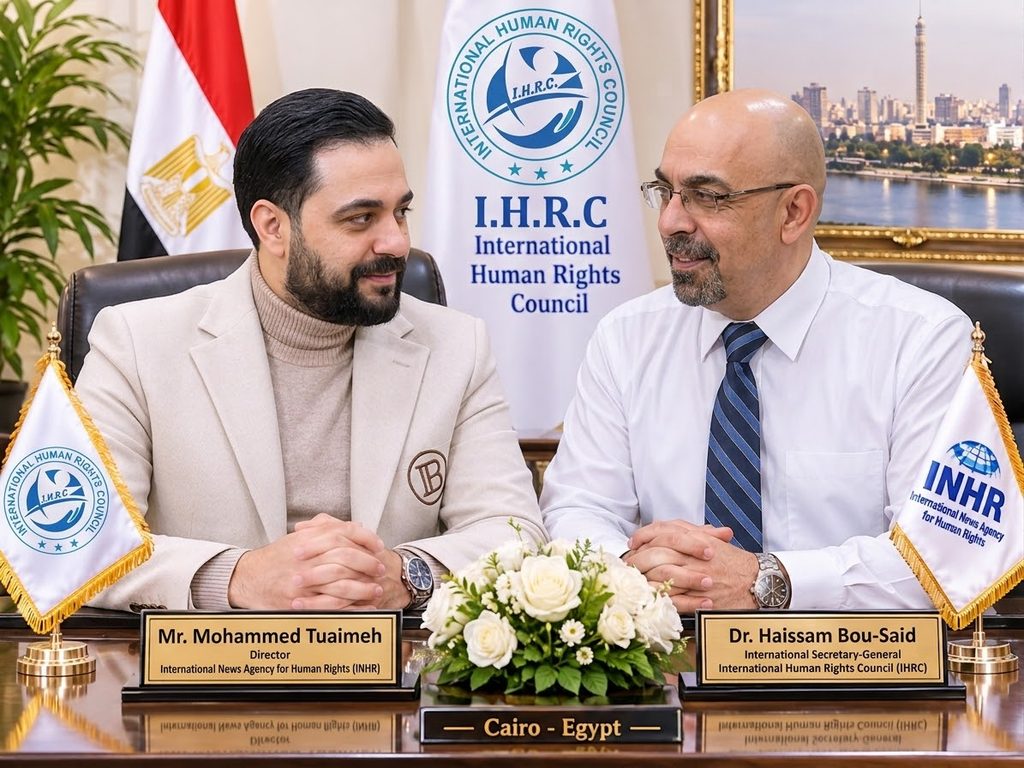
أشار الأمين العام الدولي للمجلس الدولي لحقوق الإنسان (IHRC)، المعتمد لدى الأمم المتحدة بصفة خاصة (ECOSOC)، ورئيس بعثاته إلى الأمم المتحدة، الدكتور هيثم بو سعيد، خلال اتصال مع مدير وكالة الأنباء الدولية لحقوق الإنسان (INHR)، الأستاذ محمد طعيمة، إلى أن سوريا ما كانت لتصل إلى هذا المستوى من الانقسام والتباعد بين مكوناتها الاجتماعية والوطنية، لولا تصاعد بعض الخطابات الإقصائية التي صدرت عن عدد من المسؤولين والإعلاميين، والتي عبّرت علناً عن رغبتها في أن تكون سوريا لطائفة واحدة، وكأن بقية المكونات لا صلة لها بتاريخ البلاد أو هويتها أو مسارها الجغرافي والحضاري.
وأضاف الدكتور بو سعيد أن مثل هذه التصريحات لا يمكن التعامل معها باعتبارها مجرد مواقف إعلامية عابرة، بل إنها تحمل انعكاسات سياسية واجتماعية عميقة، خصوصاً عندما تصدر عن شخصيات يفترض أن تدرك مسؤوليتها في حماية السلم الأهلي وصون التعددية الوطنية. فالدولة السورية، بتاريخها وتركيبتها الاجتماعية والثقافية، قامت على تنوع مكوناتها، ولا يمكن اختزال هويتها في انتماء واحد أو إقصاء أي جماعة من حقها في المشاركة في مستقبلها.
وأكد أن المواطنة المتساوية والاعتراف المتبادل بالحقوق والواجبات يشكلان أساس أي مشروع وطني قادر على إعادة بناء الدولة، مشدداً على أن مستقبل سوريا لا يمكن أن يُرسم بمنطق الغلبة أو الاستبعاد، وإنما من خلال صيغة وطنية جامعة تضمن مشاركة جميع المكونات دون تمييز، وتحفظ كرامة المواطنين وحقوقهم الأساسية.
وفي سياق متصل، لفت الدكتور بو سعيد إلى أن تداعيات هذه المواقف بدأت تظهر بصورة متزايدة، وأن الإدارة المؤقتة تواجه تحديات داخلية وإقليمية ودولية متشابكة، في وقت لا تزال فيه الأوضاع الاقتصادية والمعيشية تشكل عبئاً كبيراً على مختلف شرائح المجتمع السوري. واعتبر أن تعدد الضغوط المحيطة بالبلاد يضع أمام الإدارة مسؤولية مضاعفة تتمثل في معالجة الملفات المعيشية، واستعادة الثقة بين المواطنين ومؤسسات الدولة، وتجنب أي خطاب أو ممارسة من شأنها توسيع فجوة الانقسام.
وأشار إلى أن ارتفاع الأصوات الرافضة لسياسات الإقصاء والتهميش، حتى قبل اكتمال ممارسة السلطة لمختلف صلاحياتها، يستدعي قراءة سياسية ومجتمعية متأنية، لأن تجاهل المطالب والاعتراضات المشروعة قد يفاقم حالة عدم الثقة ويجعل معالجة الأزمات أكثر تعقيداً.
وختم الدكتور بو سعيد بالتأكيد أن حماية سوريا تبدأ من حماية جميع أبنائها، وأن احترام التنوع الديني والثقافي والاجتماعي ليس تنازلاً سياسياً، بل هو التزام وطني وحقوقي. كما دعا إلى اعتماد خطاب مسؤول يبتعد عن التحريض والتصنيف الطائفي، ويضع وحدة الأراضي السورية والسلم الأهلي والمساواة أمام القانون في مقدمة الأولويات، باعتبارها ركائز لا غنى عنها لأي مرحلة انتقالية تسعى إلى الاستقرار وإعادة بناء المؤسسات.
Dr Haissam Bou-Said, International Secretary-General of the International Human Rights Council (IHRC), holding Special Consultative Status with the United Nations Economic and Social Council (ECOSOC), and Head of its Missions to the United Nations, stated during a telephone conversation with Mr Mohammed Tuaimeh, Director of the International News Agency for Human Rights (INHR), that Syria would not have reached its current level of division, social fragmentation and estrangement among its various components had it not been for the growing exclusionary rhetoric expressed publicly by a number of officials and media figures.
Dr Bou-Said pointed specifically to statements suggesting that Syria should belong to one religious sect alone, as though the country’s other communities had no connection to its history, national identity, geographical foundations or historical development.
He stressed that such statements cannot be dismissed as ordinary media remarks. Rather, they carry serious political and social implications, particularly when they come from individuals who are expected to recognise their responsibility in protecting civil peace, national cohesion and social diversity.
Syria, with its long history and diverse social, religious and cultural composition, cannot have its national identity reduced to a single affiliation, nor can any of its communities be excluded from the right to participate in shaping the country’s future.
Dr Bou-Said further emphasised that equal citizenship and mutual recognition of rights and responsibilities constitute the foundations of any national project seeking to rebuild the Syrian state. He noted that Syria’s future cannot be established through dominance, exclusion or marginalisation, but rather through an inclusive national framework that guarantees the participation of all communities without discrimination and safeguards the fundamental rights and dignity of every citizen.
Addressing the wider political situation, Dr Bou-Said observed that the consequences of such positions are becoming increasingly visible, while the interim administration faces a complex combination of domestic, regional and international challenges. These difficulties are unfolding at a time when economic hardship and deteriorating living conditions continue to place considerable pressure on different segments of Syrian society.
He considered that the accumulation of these challenges places an additional responsibility on the interim administration to address essential economic and social concerns, restore public confidence in state institutions and avoid political discourse or practices that could further widen existing divisions.
Dr Bou-Said also noted that the growing public voices expressing opposition to exclusionary and marginalising approaches, even before the authorities have fully exercised their governing responsibilities, deserve serious political and social consideration. Ignoring legitimate concerns and demands could further undermine public confidence and make the management of the country’s existing crises considerably more complicated.
In conclusion, Dr Bou-Said affirmed that protecting Syria begins with protecting all its people. Respect for religious, cultural and social diversity is not a political concession, but a national and human rights obligation.
He called for responsible political and media discourse that rejects incitement and sectarian categorisation, while placing the unity of Syrian territory, civil peace, equal citizenship and equality before the law at the forefront of national priorities.
These principles, he concluded, remain indispensable foundations for any transitional process seeking lasting stability, institutional reconstruction and a future in which all Syrians can participate on equal terms.
Leave a Reply