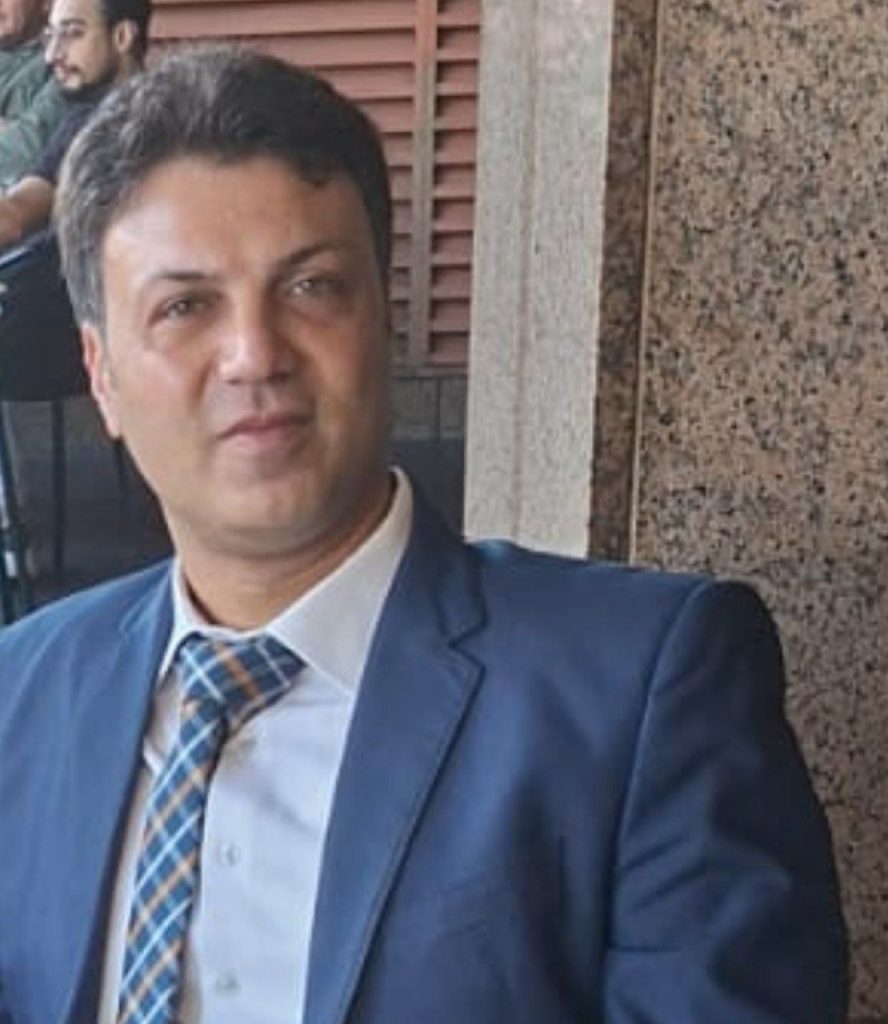
“فواز”: العدالة الضريبية بين تطبيق الموازنة والعدالة الاجتماعية

استغرب رامي فواز (مدير مكتب الدكتور هيثم ابو سعيد للشؤون القانونية في الوكالة) سياسية الضرائب في إطار موازنة 2026، التي تستهدف المواطنين ذوي الدخل المحدود بعدما أقرّت الحكومة اللبنانية زيادة مقطوعة قدرها 300 ألف ليرة على صفيحة البنزين، إلى جانب رفع الضريبة على القيمة المضافة من 11% إلى 12%، بهدف تمويل زيادات في رواتب موظفي القطاع العام والقوى العسكرية. هذا الإجراء، وإن كان يلبّي حاجة الخزينة إلى إيرادات إضافية، يثير مخاوف جدّية حيال عدالته الاجتماعية، لأنه يعتمد على ضرائب غير مباشرة تطال الفئات ذات الدخل المحدود والمتوسط بالقدر نفسه الذي تطال أصحاب المداخيل المرتفعة والقيادات التي تستفيد من مخصصات تتضمن محروقات مجانية.
وأضاف فواز أن النظام الضريبي القائم يميل إلى تحميل الاستهلاك (اي المواطن) الجزء الأكبر من العبء، عبر الضرائب على المحروقات والـTVA والرسوم على المعاملات اليومية، فيما تبقى الضرائب على الثروة والأملاك والأرباح الرأسمالية محدودة وضعيفة التطبيق. لذلك دعى فواز إلى إعادة توجيه السياسة الضريبية، مستنداً إلى القوانين النافذة وقانون الموازنة، نحو خيارات أكثر عدالة، من خلال:

  • اعادة تقييم للاشخاص المستفيدين من محروقات مجانية من الدولة اللبنانية وخصم على الاقل 20% من المخصصات العطاة لهم بهدف تمويل زيادة رواتب القطاع العام والقوى العسكرية.
  • تطبيق وتعديل الرسوم على إشغال الأملاك العامة البحرية والمنتجعات السياحية بما يعكس قيمتها الفعلية ويضمن مساهمة أكبر من كبار المستفيدين من الملك العام.
  • اعتماد شرائح تصاعدية أعلى في ضريبة الأملاك المبنية على العقارات الفاخرة والعقارات التجارية ذات الإيرادات المرتفعة، مع الحفاظ على إعفاءات واسعة للمسكن الأساسي للأسر محدودة ومتوسطة الدخل وإعفاءات نهائية للأسر الأكثر فقراً خاصة المباني المهددة بالسقوط.
  • تفعيل ضريبة الدخل على الأرباح ورؤوس الأموال والدخول المرتفعة، وإقفال الثغرات التي تسمح بالتهرب وضعف التحصيل الخارجي خاصة ان لبنان يجب ان يستفيد من معاهدات الازدواج الضريبي
  • رفع الرسوم والضرائب على السلع الكمالية واليخوت والسيارات الفارهة، بدلاً من الإمعان في زيادة الضرائب على المحروقات والسلع الأساسية.
  • إعادة تصميم الـTVA بحيث تُخفَّض أو تُثبَّت على السلع والخدمات الأساسية التي تهدف المواطنين ذوي الدخل المحدود، وتُرفع على السلع والخدمات الكمالية او الفارهة.
    وختم فواز بالتأكيد أن موازنة 2026 يمكن أن تكون فرصة لإرساء منظومة ضريبية أكثر إنصافاً، تنطلق من مبدأ القدرة على الدفع وتربط بين الحاجة إلى إيرادات مستدامة وبين حماية حق المواطنين في عيش كريم، بعيداً عن سياسة تحميل المواطن عبر صفيحة البنزين عبء كل عجز وكل إصلاح مؤجل.

An ‘America First’ Security Strategy

If a European member of NATO invokes the military alliance’s call for help, can the White House promise it will pick up the phone?

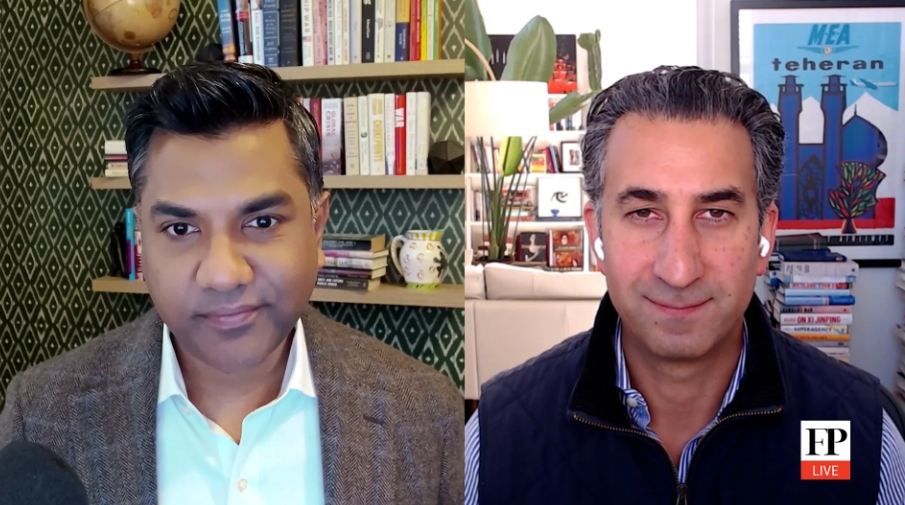
FP’s Ravi Agrawal put that question to Elbridge Colby, the Pentagon’s top policymaker, in a wide-ranging discussion on the main stage at the Munich Security Conference. “Let me be clear from the perspective of the Department of War. The United States is committed to NATO. It is committed to Article 5,” Colby responded. But, he added, “The frame that we often hear from our European friends is almost a theological frame that’s asking about the purity of heart.”

So is that a yes or a no on upholding Article 5, the NATO clause that says an attack on one ally is an attack on all of them? “I’m a government official; we don’t engage in speculation,” Colby said. “The president has shown in places like Venezuela and in Operation Midnight Hammer that he is prepared to use military force decisively to back up his pledges to work with our allies, like our model ally Israel. We train, we ready our forces, we think intimately, and we have discussions about these practicalities. This is the spirit at the Department of War, but I would say throughout our administration: We are more in the delivering-results-and-readiness business than in the cheap-talk business. That distinguishes us from our predecessors.”

ازدواجية المعايير في مقاربة التحالفات: بين رفض “الفتنة الإسرائيلية” والتحالفات الانتخابية في لبنان‎ – Double Standards in Addressing Alliances: Between Rejecting “Israeli Sedition” and Electoral Coalitions in Lebanon


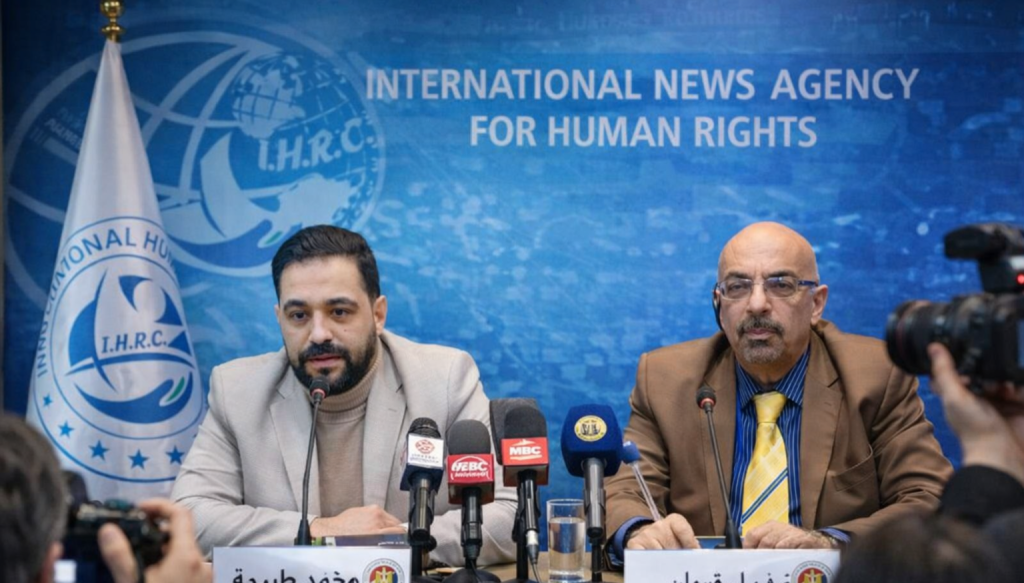
اعتبر مدير ورئيس تحرير وكالة الأنباء الدولية لحقوق الإنسان هيثم أبو سعيد، في مقابلة مع مدير الوكالة في مصر محمد طعيمة، أن الاعتراض على أي تقارب أو تحالف بين الدروز في سوريا وفلسطين المحتلة، بذريعة رفض “الفتنة الإسرائيلية” (وهذا حقّه في الطرح)، لكن هذا يستوجب من الجهة المعترضة أن تلتزم بالمعيار ذاته في الداخل اللبناني، وألا تتحالف في الاستحقاقات الانتخابية المقبلة مع شخصيات أو رموز ارتبطت تاريخياً بعلاقات مع إسرائيل.

‎وأشار إلى أن بعض هذه الجهات، ومن خلال تصريحات مسؤوليها، لم تُبدِ اعتراضاً مبدئياً على إمكانية الاتفاق مع إسرائيل في ظروف معينة، كما أن سجلّها العسكري لا يتضمن مواجهات مباشرة معها، ما يطرح – بحسب رأيه – إشكالية ازدواجية المعايير في مقاربة هذا الملف.

‎وأضاف أنه إذا كان المعيار الأساس هو منع إعطاء إسرائيل فرصة للتدخل في الشؤون العربية، فإن ذلك يقتضي إعلان موقف واضح وصريح حيال العلاقة مع المقاومة اللبنانية التي تقاتل إسرائيل، وفي مقدمتها حزب الله، باعتبار أن وضوح الخيارات السياسية يشكل عاملاً حاسماً في تقييم صدقية المواقف المعلنة.
‎The director and editor-in-chief of the International News Agency for Human Rights, Haissam Bou Said, stated in an interview with INHR Director to Egypt Mohamed Teama, that objecting to any rapprochement or alliance between the Druze in Syria and occupied Palestine, under the pretext of rejecting “Israeli incitement” (which is their right to raise), requires the objecting party to adhere to the same standard within Lebanon. They should not form alliances in the upcoming elections with figures or symbols historically linked to Israel.

‎He pointed out that some of these parties, through statements by their officials, have not expressed a fundamental objection to the possibility of an agreement with Israel under certain circumstances. Furthermore, their military record does not include direct confrontations with Israel, which, in his view, raises the issue of double standards in addressing this matter.

‎He added that if the fundamental criterion is preventing Israel from interfering in Arab affairs, then this necessitates a clear and explicit stance regarding the relationship with the Lebanese resistance fighting Israel, foremost among them Hezbollah. Clarity of political choices is a crucial factor in assessing the credibility of declared positions.

د. . هيثم بو سعيد: استدعاء النموذج الأموي في توصيف الواقع السوري إسقاط تاريخي غير دقيق‎ Dr. Haissam Bou-Said: Invoking the Umayyad Model to Describe the Syrian Reality Is a Historically Inaccurate Projection


‎رأى مدير ورئيس تحرير وكالة الأنباء الدولية لحقوق الإنسان الدكتور هيثم بو سعيد، وفي حديث خاص مع وكالة الأنباء الدولية لحقوق الإنسان بحضور مدير مكتبها في مصر محمد طعيمة، أن توصيف نظام الحكم الحالي في سوريا وربطه بمجموعات تُنسب إلى بني أمية وتقديمه تحت غطاء الادعاء بالإسلام، هو طرح غير واقعي ومجافٍ للقراءة التاريخية الموضوعية.
‎وأشار د. بو سعيد إلى أن استدعاء النموذج الأموي في السياق السياسي المعاصر يتجاهل الطبيعة المركّبة للمرحلة التاريخية التي عُرفت بـ الدولة الأموية، والتي شهدت أحداثًا معقدة وصراعات سياسية وعسكرية شديدة في القرن السابع الميلادي، ضمن ظروف تاريخية مختلفة كليًا عن واقع اليوم.
‎وأوضح أن اسم الدولة الأموية ارتبط تاريخيًا بحادثة حصار مكة خلال الصراع مع عبد الله بن الزبير، حيث قام جيش الحصين بن نمير بقصف الكعبة بالمنجنيق، وهي من الوقائع التي لا تزال محل جدل بين المؤرخين في تفسير دوافعها ومسؤولياتها المباشرة.
‎وأضاف أن تلك المرحلة شهدت ما يُعرف في كتب التاريخ الإسلامي بـ”الفتن الكبرى”، إلا أن توصيفها يختلف بين الباحثين؛ فبينما يراها البعض “فتنًا” ذات طابع ديني داخلي، يعتبرها آخرون سياقات سياسية وعسكرية مرتبطة بصراعات على السلطة ضمن معادلات زمنها.
‎وختم د. بو سعيد بالتأكيد على أن قراءة التاريخ تتطلب مقاربة علمية متوازنة، بعيدًا عن التوظيف السياسي أو الإسقاطات المعاصرة، لما لذلك من أثر على فهم الوقائع وصياغة المواقف في الحاضر، وخصوصا تاريخ سوريا المجيد والاستقلال الذي قاده سلطان باشا الاطرش ضد الاحتلال الفرنسي.

‎Dr. Haissam Bou Said, Director and Editor-in-Chief of the International News Agency for Human Rights, stated in remarks to the agency, alongside its Egypt Office Director Mohamed Tuaima, that describing the current system of governance in Syria as being controlled by groups linked to the Umayyads and acting under the claim of Islam is an unrealistic and historically imprecise assumption.
‎Dr. Bou-Said explained that invoking the historical model of the Umayyad Caliphate in today’s political context overlooks the complex nature of that historical period, which was marked by intense political and military conflicts during the seventh century.
‎He noted that the name of the Umayyad state has historically been associated with the siege of Mecca during the conflict with Abdullah ibn al-Zubayr, when forces led by Husayn ibn Numayr reportedly shelled the Kaaba with catapults. These events remain subject to differing historical interpretations regarding motives and direct responsibility.
‎He further emphasized that what are referred to in Islamic historiography as the “major fitan” (civil strife) are viewed differently by scholars—some interpret them as religiously framed internal conflicts, while others consider them political and military struggles over authority within their historical context.
‎Dr. Bou-Said concluded by stressing that historical analysis must be approached with scholarly balance, free from contemporary political projections, as misusing history can distort both understanding of the past and assessment of present realities, Especially Syria’s glorious history and the independence led by Sultan Pasha al-Atrash against the French occupation

karim Sadjadpour: This time , Teheran is threatening to “regionalize the war’

Karim Sadjadpour: This time, Tehran is threatening to “regionalize the war.”
Last

Last month, after the United States successfully toppled and captured the leader of Venezuela, Nicolás Maduro, there was an immediate expectation that the White House would try something similar in Iran. But President Donald Trump reportedly held back partly because he didn’t have enough military assets in the Middle East. That is now changing. In recent weeks, the Pentagon has stationed a carrier strike group and missile defense systems in the region, even as diplomacy between Washington and Tehran has ramped up.

Is the military maneuvering a coercive strategy, or will Trump actually pull the trigger?

“Trump himself has telegraphed that his Iran playbook will likely be taken from his Venezuela strategy,” said Karim Sadjadpour, an Iran expert at the Carnegie Endowment for International Peace, speaking on FP Live. “But Venezuela is in the Western Hemisphere; it’s a country that we’re much more familiar with. We haven’t had any relationship or embassy in Iran since 1979, so our intelligence capabilities are much more limited compared to Venezuela.”

Now that the Iranian regime has crushed last month’s nationwide protests, what exactly does its leadership stand for? “The three pillars left of the 1979 revolution are death to America, death to Israel, and the hijab, the mandatory veiling of women,” said Sadjadpour. “It’s notable that despite most women, certainly in Tehran, no longer abiding by the hijab, the regime refuses to remove that as compulsory because they fear that if you remove hijab—which [former Supreme Leader Ruhollah] Khomeini called the flag of the Islamic revolution—then people are just going to ask for more concessions.”

Speaker Nabih Berri and His Role as a Mediator Between Factions in the person of Speaker Nabih Berri /

الرئيس نبيه بري وموقع الوصل والفصل بين الفرقاء
في شخص الرئيس نبيه بري

يتقاطع الخارج الدولي والاقليمي والداخل اللبناني المحلي، ما يعطيه دورا محوريا في ايجاد “المخارج والتسويات الممكنة”. فكما يعتبر اللبنانيون ان المؤسسة العسكرية هي ضمانة الوحدة الوطنية والسلم الاهلي والسيادة يرون ايضا ان الرئيس بري هو ضمانة الاعتدال والمشترك بين اللبنانيين والاكثر معرفة باتجاه الرياح والعواصف.
اما خصوصية الرئيس بري فإنه اولا يدير دفة التشريع في لبنان.
وثانيا مقتنع بكون لبنان وطنا نهائيا لكل اللبنانيين. وثالثا ضد فكرة التقسيم والدويلات الطائفية والكانتونات. ورابعا تغليب الحوار بين اللبنانيين على فكرة الخلاف بحثا عن نقاط التلاقي ولو تطلّب الأمر تنازلات متبادلة. وخامسا تنفيذ بنود اتفاق الطائف كاملة ولو على حسابه الشخصي. وسادسا مد اليد للآخرين للخروج من النظام السياسي الطوائفي إلى الدولة المدنية التي تلغي السقوف المتعددة للطوائف وتساوي بين المواطنين. وسابعا انتماؤه للطائفة الشيعية المستهدفة بحصار دولي تحت عنوان امتلاك حزب الله للسلاح. وهو حصار يعطي اسرائيل ذريعة التصرف في اعتداءات على القرى والبلدات الآمنة وفي اغتيالات لا تستبعد المدنيين وفي التوسع الجغرافي على الحدود. وبهذا المعنى الرئيس نبيه بري معني بحماية الجنوب والبقاع ولا يساير أحدا بهذا الموضوع . أي أنه يلتزم بورقة التفاوض الرسمية والتي أقرّها الرئيس العماد جوزاف عون ومعه الحكومة والتي تدعو الى تنفيذ القرار ١٧٠١ والانسحاب الاسرائيلي من النقاط المحتلة ووقف الاعتداءات والاغتيالات والافراج عن الاسرى اللبنانيين.واستطرادا ربط حصرية السلاح بيد الدولة عبر تنفيذ ما التزمت به اسرائيل مع علاج محلي لسلاح الحزب من ضمن رؤية وطنية استراتيجية وامنية تقوم على فكرة “الاحتواء” والتأكيد على السيادة.
وثامنا يشكّل شخص الرئيس نبيه بري نافذة حزب الله الرسمية للتعامل مع الخارج الدولي سواء الاوروبي او الاميركي. وهو ليس على الحياد في هذا الأمر، وان كان براغماتيا يدوّر الزوايا استنادا الى معادلة الوصل والفصل في آن معا. وتاسعا “تصويب” العلاقة بين الرئيس العماد جوزاف عون وحزب الله بعد أن برزت معالم الفتور والابتعاد والشكوك فيعيد مكانا للحوار والبحث عما يجمع لا عما يفرّق.
باختصار شديد الرئيس نبيه بري في المعادلة اللبنانية هو الذي يحوز على الاجماع اللبناني، وهذا امر يمنحه موقعا أبعد من الحدود اللبنانية الى بعد اضافي في الحوار
بين واشنطن وطهران تلافيا لحرب لا تحمل الا الفوضى لكل دول المنطقة ولا تستثني لبنان .

International, regional, and Lebanese domestic interests intersect, granting him a pivotal role in finding possible solutions and compromises. Just as the Lebanese consider the military institution a guarantor of national unity, civil peace, and sovereignty, they also see Speaker Berri as a guarantor of moderation, a common ground among the Lebanese, and the one most attuned to the prevailing winds and storms.

Speaker Berri’s unique position stems from several factors: First, he steers the course of legislation in Lebanon.

Second, he is convinced that Lebanon is the final homeland for all Lebanese. Third, he opposes the idea of ​​partition, sectarian mini-states, and cantons. Fourth, he prioritizes dialogue among the Lebanese over conflict, seeking common ground even if it requires mutual concessions. Fifth, he is committed to the full implementation of the Taif Agreement, even at his own expense. Sixth, he extends a hand to others to move from the sectarian political system to a civil state that eliminates the multiple quotas of sects and ensures equality among citizens. Seventh, his affiliation with the Shiite community, which is targeted by an international blockade under the pretext of Hezbollah’s possession of weapons, is a factor. This blockade provides Israel with a justification for attacks on safe villages and towns, assassinations that do not exclude civilians, and territorial expansion along the border. In this sense, Speaker Nabih Berri is committed to protecting the South and the Bekaa Valley and will not compromise on this issue. He adheres to the official negotiating position endorsed by President Joseph Aoun and the government, which calls for the implementation of UN Security Council Resolution 1701, Israeli withdrawal from occupied territories, a halt to attacks and assassinations, and the release of Lebanese prisoners. Furthermore, it links the state’s monopoly on the use of force to the implementation of Israel’s commitments, along with a local approach to Hezbollah’s weapons within a national strategic and security framework based on the concept of “containment” and the affirmation of sovereignty.

Eighth, Speaker Nabih Berri serves as Hezbollah’s official channel for dealing with the international community, both European and American. He is not neutral on this matter, although he is pragmatic, navigating complexities based on a simultaneous approach of engagement and separation. Ninth, “correcting” the relationship between President General Joseph Aoun and Hezbollah, after signs of coolness, estrangement, and suspicion emerged, thus restoring space for dialogue and focusing on what unites rather than what divides.

In short, Speaker Nabih Berri, in the Lebanese equation, is the one who enjoys Lebanese consensus. This grants him a position that extends beyond Lebanon’s borders to an additional dimension in the dialogue between Washington and Tehran, a dialogue aimed at averting a war that would bring nothing but chaos to all countries in the region, including Lebanon.

تظاهرة ضخمة في السويداء دعما للشيخ حكمت الهجري الممثل الأوحد للطائفة الدرزية في سوريا – INHR / A massive demonstration in Suwaida in support of Sheikh Hikmat al-Hijri, the sole representative of the Druze community in Syria.

في تغطية خاصة لوكالة الأنباء الدولية لحقوق الإنسان في السويداء، أشار المكتب الإعلامي إلى أن التظاهرة الحاشدة التي انطلقت من ساحة الكرامة في السويداء بعنوان “نكون أو لا نكون” في 31 يناير 2026، كانت بمشاركة واسعة وأجمعت على عدة مطالب وبيانات هامة، من بينها تمثيل سماحة الشيخ حكمت الهجري، ودعم الحرس الوطني كحامي للأرض والعرض، والتأكيد على تقرير المصير كحق أصيل، والحفاظ على الهوية والحرية، وضرورة تحرير القرى الدرزية المحتلة، والتمسك بحق كل فرد في حياة كريمة، والدفاع عن النفس وحرية المعتقد والدين، مع التأكيد على وحدة الشعب ودماء الشهداء كرمز للعزة.

In a special report by the International News Agency for Human Rights in Sweida, the media office indicated that the massive demonstration that started from Al-Karama Square in Sweida under the title “To be or not to be” on January 31, 2026, had broad participation and agreed on several important demands and statements, including the representation of His Eminence Sheikh Hikmat Al-Hijri, support for the National Guard as a protector of the land and honor, emphasis on self-determination as an inherent right, preservation of identity and freedom, the necessity of liberating the occupied Druze villages, adherence to the right of every individual to a dignified life, self-defense and freedom of belief and religion, while emphasizing the unity of the people and the blood of the martyrs as a symbol of pride.

Dr. Bou-Said Warns of Imminent Geopolitical Reconfiguration in Syria / الدكتور بو سعيد: ترتيبات أمنية ومقاربات سياسية جديدة في سوريا باتت أمراً حتمياً‎


‎In an interview conducted by Mr. Mohamed Teama, Dr. Haissam Bou-Said, Director and Editor-in-Chief of the International News Agency for Human Rights (INHR), outlined a series of strategic and political developments he described as inevitable in the Syrian context, regardless of shifting geopolitical dynamics.

‎Dr. Bou-Said stated that:
‎🟦 Asecured zone for Kurdish and Druze communities in Syria will be established, irrespective of the prevailing geopolitical circumstances in the current phase.

‎🟦 Theongoing dramatic developments are leading toward the partition of Syria into distinct zones, a process he said is being pursued as a means to impose a form of stability in the broader Middle East.

‎🟦 Peacefulcoexistence within Syrian society is impossible with a terrorist-based regime, whose primary objective, according to Dr. Bou-Said, is the indoctrination of populations through extremist ideology and the export of intellectual terrorism toward Western societies.

‎🟦 Theseissues are reportedly under active discussion within the United States Congress, forming part of broader deliberations on regional security and future governance arrangements.

‎🟦 Securityconsiderations will extend to all of Syria’s neighboring countries, within geographical and political understandings that are expected to be translated into concrete security and military measures.

‎🟦 Seriousaccountability for grave human rights violations committed in Syria is unavoidable, and Dr. Bou-Said emphasized that those responsible will face consequences under international accountability mechanisms.

‎🟦 Theregion is heading toward major political transformations, particularly affecting actors and states that engaged in the Syrian conflict without prioritizing equitable societal rights, and which, he noted, exploited Western humanitarian frameworks to advance political objectives within Europe and the United States.

‎🟦 Dr. Bou-Said concluded by warning that the coming phase will redefine political legitimacy, accountability, and regional alignments in the Middle East.

‎قال الدكتور هيثم بو سعيد، مدير ورئيس تحرير وكالة الأنباء الدولية لحقوق الإنسان (INHR)، في مقابلة أجراها السيد محمد تيما، إن تطورات سياسية وأمنية كبرى في سوريا باتت حتمية، بغضّ النظر عن المتغيرات الجيوسياسية الإقليمية والدولية الراهنة.

‎وأوضح الدكتور بو سعيد أن إنشاء مناطق آمنة ومؤمّنة للمجتمعين الكردي والدرزي في سوريا أصبح أمراً متوقعاً ضمن ترتيبات تهدف إلى احتواء عدم الاستقرار في المنطقة.

‎وأشار إلى أن المشهد الراهن يقود فعلياً إلى تقسيم سوريا إلى مناطق نفوذ وإدارة، في إطار مقاربات أمنية وسياسية تسعى إلى فرض مستوى من الاستقرار في الشرق الأوسط.

‎وشدد على أن التعايش داخل المجتمع السوري غير ممكن مع وجود نظام قائم على الإرهاب، محذراً من مخاطر نشر الأيديولوجيات المتطرفة وتصدير ما وصفه بـ«الإرهاب الفكري» إلى خارج المنطقة.

‎وأضاف أن هذه الطروحات مدرجة ضمن الملفات التي يجري تداولها حالياً في أروقة الكونغرس الأميركي، إلى جانب نقاشات أوسع تتعلق بالأمن الإقليمي ومستقبل سوريا.

‎ولفت الدكتور بو سعيد إلى أن الدول المجاورة لسوريا ستتأثر بشكل مباشر بالترتيبات الأمنية الجديدة، والتي ستُترجم إلى تفاهمات جغرافية وتدابير أمنية وعسكرية محددة.

‎وأكد أن المساءلة الجدية عن الانتهاكات الجسيمة لحقوق الإنسان المرتكبة في سوريا أمر لا مفرّ منه، مشدداً على أن آليات المحاسبة الدولية ستطال المسؤولين عنها.

‎وختم بالقول إن المنطقة مقبلة على تحولات سياسية عميقة، لا سيما بالنسبة للأطراف التي انخرطت في النزاع السوري دون احترام للحقوق المجتمعية العادلة، واستغلت المقاربات الإنسانية الغربية لتحقيق أهداف سياسية داخل أوروبا والولايات المتحدة.

الدكتور بو سعيد: احترام التسميات التاريخية والجغرافية جزء من حماية الهوية الوطنية والسلم المجتمعي في سوريا‎Dr. Bou Said: Respect for Historical and Geographical Designations Is Integral to the Protection of National Identity and Social Cohesion in Syria‎


‎أكّد مدير وكالة الأنباء الدولية لحقوق الإنسان، الدكتور هيثم بو سعيد، أن اعتماد القائد الوطني للثورة السورية الكبرى، سلطان باشا الأطرش، لتسمية «جبل العرب» على جبل حوران، جاء في سياق تاريخي ووطني جامع، هدفه تعزيز الهوية السورية والانتماء العربي، وتجاوز أي توصيفات ذات طابع طائفي، وذلك في مرحلة ما بعد الثورة السورية الكبرى (1925–1927)، ولا سيما عقب عودة الثوار من المنفى عام 1937.

‎وأوضح الدكتور بو سعيد أن هذه الخطوة شكّلت آنذاك مساهمة مهمة في ترسيخ مفهوم وحدة الأرض والشعب، في وقت كانت فيه سوريا تمرّ بمرحلة دقيقة على صعيد بناء الهوية الوطنية ومقومات الدولة.

‎وأشار إلى أن أي مقاربات معاصرة تتناول التاريخ أو الجغرافيا السورية ينبغي أن تستند إلى الوقائع الموثّقة، وأن تُعالج بمسؤولية واحترام للتنوّع الثقافي والاجتماعي، وبما ينسجم مع مبادئ القانون الدولي، ولا سيما تلك المتعلقة بحماية الهوية الوطنية، والذاكرة الجماعية، والسلم المجتمعي.

‎وفي هذا الإطار، لفت الدكتور بو سعيد إلى أن استخدام التسمية التاريخية والجغرافية «جبل الباشان» من قبل أبناء بني معروف يأتي في سياق معرفي وتاريخي بحت، يهدف إلى إعادة الأمور إلى أصولها الجغرافية المعروفة، دون أي توظيف سياسي أو إقصائي، وبما يحترم سيادة الدولة السورية ووحدة أراضيها.

‎وشدّد على أن صون التاريخ والجغرافيا يشكّل جزءاً لا يتجزأ من الجهود الرامية إلى تعزيز الاستقرار، ومنع خطاب الانقسام، ودعم مسارات الحوار والتفاهم، وفقاً لمبادئ الأمم المتحدة وأهداف التنمية المستدامة ذات الصلة بالسلم والعدالة والمؤسسات القوية.

‎Dr. Haissam Bou Said, Director of the International News Agency for Human Rights, affirmed that the designation “Jabal Al-Arab” adopted by the national leader of the Great Syrian Revolt, Sultan Pasha Al-Atrash, for Jabal Hauran, was introduced within a unifying national and historical context. Its purpose was to strengthen Syrian national identity and Arab belonging, while moving beyond sectarian or divisive terminology, particularly in the period following the Great Syrian Revolt (1925–1927) and the return of the revolutionaries from exile in 1937.
‎Dr. Bou Said noted that this designation constituted an important contribution to consolidating the concept of unity of land and people at a critical moment in Syria’s modern history, when the foundations of national identity and state-building were still in formation.
‎He emphasized that contemporary approaches to Syrian history and geography should be grounded in documented facts and addressed with responsibility and sensitivity, in full respect of cultural diversity and social pluralism, and in accordance with international law principles, including those related to the protection of national identity, collective memory, and social cohesion.
‎In this context, Dr. Bou Said highlighted that the use of the historical and geographical designation “Jabal Bashan” by members of Bani Ma‘rouf reflects a scholarly and historical reference aimed at restoring established geographical nomenclature, without political instrumentalization or exclusionary intent, and in a manner consistent with respect for the sovereignty and territorial integrity of the Syrian Arab Republic.
‎He stressed that safeguarding history and geography is an essential component of efforts to promote stability, prevent divisive narratives, and support dialogue and mutual understanding, in line with the principles of the United Nations and relevant Sustainable Development Goals related to peace, justice, and strong institutions.

‎#سوريا #الهوية_الوطنية #جبل_الباشان
‎#سلطان_باشا_الأطرش #التاريخ_السوري
‎#وحدة_الأرض #السلم_المجتمعي
‎#Syria
‎#NationalIdentity
‎#CulturalHeritage
‎#SocialCohesion
‎#PeaceAndStability
‎#HistoricalMemory
‎#ECOSOC
‎#UnitedNations

INHR Received report on Iran Rights Violations

‎The International News Agency for Human Rights has received a report from Iran, Tehran, with deep fear and urgency, to draw immediate attention to an escalating human rights and humanitarian catastrophe unfolding across the country.

‎Credible reports and estimates from independent observers, medical workers, and human rights sources indicate that more than 36.000 people have been killedover 10,000 individuals have been deliberately blinded, and approximately 330,000 people have been injured, many of whom have lost limbs or other body parts as a result of state violence. These numbers continue to rise. This is a human catastrophe of immense scale.

‎Survivors and eyewitnesses report that civilians have been brutally massacred using military-grade weapons, including .50 caliber firearms, shotgun weapons firing heavy projectiles, sniper rifles, AK-47 assault rifles, and Beretta-type Kalashnikov variants, used directly against unarmed people at close and long range.

‎It is further reported that more than 100,000 people are currently detained in prisons, military facilities, and unofficial detention centers. Many are held without charges, without legal representation, and without access to their families.

‎Disturbingly, detainees who are released show signs of severe respiratory distress resembling asthma, as well as symptoms consistent with organ failure. There are reports that some former detainees die within 48 hours of release, with causes including heart attacks and kidney failure, raising grave concerns about torture, poisoning, or systematic denial of medical care while in custody.

‎In addition, over 1,000 people are reported missing or forcibly disappeared, many of them under the age of 20, and a significant number young women and girls. Families receive no information about their whereabouts and are often threatened into silence.

‎There are also reports that the Islamic Revolutionary Guard Corps (IRGC) has mobilized forces into schools and educational institutions, leading to schools being closed until further notice and widespread fear among families.

‎We urgently request that international human rights and humanitarian organizations be immediately dispatched to Iran, with full and unrestricted access to detention centers, hospitals, schools, and affected communities. International presence is essential to document crimes, protect civilians, and prevent further mass loss of life.

‎Former detainees and witnesses report that security forces are acting with extreme brutality and reckless violence. Numerous survivors state that IRGC and security personnel are under the influence of crystal meth, crack, and hashish. Witnesses describe officers displaying uncontrollable aggression, lack of judgment, and total disregard for human life.

‎There are grave concerns that executions are being carried out at an accelerated pace without due process, and that bodies are buried without notification to families. These acts destroy evidence and deny families the right to truth, justice, and mourning.

‎Conditions of detention are described as inhumane and degrading. Confessions are reportedly extracted through torture and extreme psychological pressure. The denial of medical treatment has resulted in permanent disability and death.

‎This is no longer only a human rights crisis. It is a humanitarian emergency.
‎IHRC Call the UN to intervene, by sending international observers tostop this. The people of Iran cannot survive this alone.