في تغطية خاصة لوكالة الأنباء الدولية لحقوق الإنسان في السويداء، أشار المكتب الإعلامي إلى أن التظاهرة الحاشدة التي انطلقت من ساحة الكرامة في السويداء بعنوان “نكون أو لا نكون” في 31 يناير 2026، كانت بمشاركة واسعة وأجمعت على عدة مطالب وبيانات هامة، من بينها تمثيل سماحة الشيخ حكمت الهجري، ودعم الحرس الوطني كحامي للأرض والعرض، والتأكيد على تقرير المصير كحق أصيل، والحفاظ على الهوية والحرية، وضرورة تحرير القرى الدرزية المحتلة، والتمسك بحق كل فرد في حياة كريمة، والدفاع عن النفس وحرية المعتقد والدين، مع التأكيد على وحدة الشعب ودماء الشهداء كرمز للعزة.
In a special report by the International News Agency for Human Rights in Sweida, the media office indicated that the massive demonstration that started from Al-Karama Square in Sweida under the title “To be or not to be” on January 31, 2026, had broad participation and agreed on several important demands and statements, including the representation of His Eminence Sheikh Hikmat Al-Hijri, support for the National Guard as a protector of the land and honor, emphasis on self-determination as an inherent right, preservation of identity and freedom, the necessity of liberating the occupied Druze villages, adherence to the right of every individual to a dignified life, self-defense and freedom of belief and religion, while emphasizing the unity of the people and the blood of the martyrs as a symbol of pride.
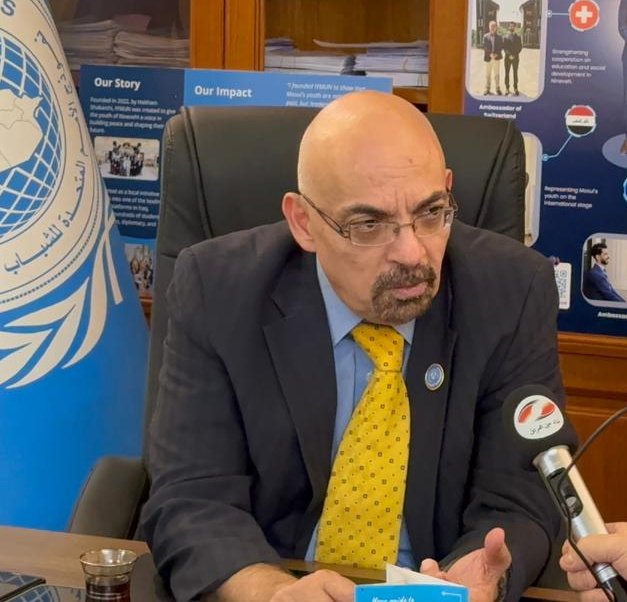
In an interview conducted by Mr. Mohamed Teama, Dr. Haissam Bou-Said, Director and Editor-in-Chief of the International News Agency for Human Rights (INHR), outlined a series of strategic and political developments he described as inevitable in the Syrian context, regardless of shifting geopolitical dynamics. Dr. Bou-Said stated that: 🟦 Asecured zone for Kurdish and Druze communities in Syria will be established, irrespective of the prevailing geopolitical circumstances in the current phase. 🟦 Theongoing dramatic developments are leading toward the partition of Syria into distinct zones, a process he said is being pursued as a means to impose a form of stability in the broader Middle East. 🟦 Peacefulcoexistence within Syrian society is impossible with a terrorist-based regime, whose primary objective, according to Dr. Bou-Said, is the indoctrination of populations through extremist ideology and the export of intellectual terrorism toward Western societies. 🟦 Theseissues are reportedly under active discussion within the United States Congress, forming part of broader deliberations on regional security and future governance arrangements. 🟦 Securityconsiderations will extend to all of Syria’s neighboring countries, within geographical and political understandings that are expected to be translated into concrete security and military measures. 🟦 Seriousaccountability for grave human rights violations committed in Syria is unavoidable, and Dr. Bou-Said emphasized that those responsible will face consequences under international accountability mechanisms. 🟦 Theregion is heading toward major political transformations, particularly affecting actors and states that engaged in the Syrian conflict without prioritizing equitable societal rights, and which, he noted, exploited Western humanitarian frameworks to advance political objectives within Europe and the United States. 🟦 Dr. Bou-Said concluded by warning that the coming phase will redefine political legitimacy, accountability, and regional alignments in the Middle East. قال الدكتور هيثم بو سعيد، مدير ورئيس تحرير وكالة الأنباء الدولية لحقوق الإنسان (INHR)، في مقابلة أجراها السيد محمد تيما، إن تطورات سياسية وأمنية كبرى في سوريا باتت حتمية، بغضّ النظر عن المتغيرات الجيوسياسية الإقليمية والدولية الراهنة. وأوضح الدكتور بو سعيد أن إنشاء مناطق آمنة ومؤمّنة للمجتمعين الكردي والدرزي في سوريا أصبح أمراً متوقعاً ضمن ترتيبات تهدف إلى احتواء عدم الاستقرار في المنطقة. وأشار إلى أن المشهد الراهن يقود فعلياً إلى تقسيم سوريا إلى مناطق نفوذ وإدارة، في إطار مقاربات أمنية وسياسية تسعى إلى فرض مستوى من الاستقرار في الشرق الأوسط. وشدد على أن التعايش داخل المجتمع السوري غير ممكن مع وجود نظام قائم على الإرهاب، محذراً من مخاطر نشر الأيديولوجيات المتطرفة وتصدير ما وصفه بـ«الإرهاب الفكري» إلى خارج المنطقة. وأضاف أن هذه الطروحات مدرجة ضمن الملفات التي يجري تداولها حالياً في أروقة الكونغرس الأميركي، إلى جانب نقاشات أوسع تتعلق بالأمن الإقليمي ومستقبل سوريا. ولفت الدكتور بو سعيد إلى أن الدول المجاورة لسوريا ستتأثر بشكل مباشر بالترتيبات الأمنية الجديدة، والتي ستُترجم إلى تفاهمات جغرافية وتدابير أمنية وعسكرية محددة. وأكد أن المساءلة الجدية عن الانتهاكات الجسيمة لحقوق الإنسان المرتكبة في سوريا أمر لا مفرّ منه، مشدداً على أن آليات المحاسبة الدولية ستطال المسؤولين عنها. وختم بالقول إن المنطقة مقبلة على تحولات سياسية عميقة، لا سيما بالنسبة للأطراف التي انخرطت في النزاع السوري دون احترام للحقوق المجتمعية العادلة، واستغلت المقاربات الإنسانية الغربية لتحقيق أهداف سياسية داخل أوروبا والولايات المتحدة.
أكّد مدير وكالة الأنباء الدولية لحقوق الإنسان، الدكتور هيثم بو سعيد، أن اعتماد القائد الوطني للثورة السورية الكبرى، سلطان باشا الأطرش، لتسمية «جبل العرب» على جبل حوران، جاء في سياق تاريخي ووطني جامع، هدفه تعزيز الهوية السورية والانتماء العربي، وتجاوز أي توصيفات ذات طابع طائفي، وذلك في مرحلة ما بعد الثورة السورية الكبرى (1925–1927)، ولا سيما عقب عودة الثوار من المنفى عام 1937. وأوضح الدكتور بو سعيد أن هذه الخطوة شكّلت آنذاك مساهمة مهمة في ترسيخ مفهوم وحدة الأرض والشعب، في وقت كانت فيه سوريا تمرّ بمرحلة دقيقة على صعيد بناء الهوية الوطنية ومقومات الدولة. وأشار إلى أن أي مقاربات معاصرة تتناول التاريخ أو الجغرافيا السورية ينبغي أن تستند إلى الوقائع الموثّقة، وأن تُعالج بمسؤولية واحترام للتنوّع الثقافي والاجتماعي، وبما ينسجم مع مبادئ القانون الدولي، ولا سيما تلك المتعلقة بحماية الهوية الوطنية، والذاكرة الجماعية، والسلم المجتمعي. وفي هذا الإطار، لفت الدكتور بو سعيد إلى أن استخدام التسمية التاريخية والجغرافية «جبل الباشان» من قبل أبناء بني معروف يأتي في سياق معرفي وتاريخي بحت، يهدف إلى إعادة الأمور إلى أصولها الجغرافية المعروفة، دون أي توظيف سياسي أو إقصائي، وبما يحترم سيادة الدولة السورية ووحدة أراضيها. وشدّد على أن صون التاريخ والجغرافيا يشكّل جزءاً لا يتجزأ من الجهود الرامية إلى تعزيز الاستقرار، ومنع خطاب الانقسام، ودعم مسارات الحوار والتفاهم، وفقاً لمبادئ الأمم المتحدة وأهداف التنمية المستدامة ذات الصلة بالسلم والعدالة والمؤسسات القوية. Dr. Haissam Bou Said, Director of the International News Agency for Human Rights, affirmed that the designation “Jabal Al-Arab” adopted by the national leader of the Great Syrian Revolt, Sultan Pasha Al-Atrash, for Jabal Hauran, was introduced within a unifying national and historical context. Its purpose was to strengthen Syrian national identity and Arab belonging, while moving beyond sectarian or divisive terminology, particularly in the period following the Great Syrian Revolt (1925–1927) and the return of the revolutionaries from exile in 1937. Dr. Bou Said noted that this designation constituted an important contribution to consolidating the concept of unity of land and people at a critical moment in Syria’s modern history, when the foundations of national identity and state-building were still in formation. He emphasized that contemporary approaches to Syrian history and geography should be grounded in documented facts and addressed with responsibility and sensitivity, in full respect of cultural diversity and social pluralism, and in accordance with international law principles, including those related to the protection of national identity, collective memory, and social cohesion. In this context, Dr. Bou Said highlighted that the use of the historical and geographical designation “Jabal Bashan” by members of Bani Ma‘rouf reflects a scholarly and historical reference aimed at restoring established geographical nomenclature, without political instrumentalization or exclusionary intent, and in a manner consistent with respect for the sovereignty and territorial integrity of the Syrian Arab Republic. He stressed that safeguarding history and geography is an essential component of efforts to promote stability, prevent divisive narratives, and support dialogue and mutual understanding, in line with the principles of the United Nations and relevant Sustainable Development Goals related to peace, justice, and strong institutions. #سوريا #الهوية_الوطنية #جبل_الباشان #سلطان_باشا_الأطرش #التاريخ_السوري #وحدة_الأرض #السلم_المجتمعي #Syria #NationalIdentity #CulturalHeritage #SocialCohesion #PeaceAndStability #HistoricalMemory #ECOSOC #UnitedNations
The International News Agency for Human Rights has received a report from Iran, Tehran, with deep fear and urgency, to draw immediate attention to an escalating human rights and humanitarian catastrophe unfolding across the country.
Credible reports and estimates from independent observers, medical workers, and human rights sources indicate that more than 36.000 people have been killed, over 10,000 individuals have been deliberately blinded, and approximately 330,000 people have been injured, many of whom have lost limbs or other body parts as a result of state violence. These numbers continue to rise. This is a human catastrophe of immense scale.
Survivors and eyewitnesses report that civilians have been brutally massacred using military-grade weapons, including .50 caliber firearms, shotgun weapons firing heavy projectiles, sniper rifles, AK-47 assault rifles, and Beretta-type Kalashnikov variants, used directly against unarmed people at close and long range.
It is further reported that more than 100,000 people are currently detained in prisons, military facilities, and unofficial detention centers. Many are held without charges, without legal representation, and without access to their families.
Disturbingly, detainees who are released show signs of severe respiratory distress resembling asthma, as well as symptoms consistent with organ failure. There are reports that some former detainees die within 48 hours of release, with causes including heart attacks and kidney failure, raising grave concerns about torture, poisoning, or systematic denial of medical care while in custody.
In addition, over 1,000 people are reported missing or forcibly disappeared, many of them under the age of 20, and a significant number young women and girls. Families receive no information about their whereabouts and are often threatened into silence.
There are also reports that the Islamic Revolutionary Guard Corps (IRGC) has mobilized forces into schools and educational institutions, leading to schools being closed until further notice and widespread fear among families.
We urgently request that international human rights and humanitarian organizations be immediately dispatched to Iran, with full and unrestricted access to detention centers, hospitals, schools, and affected communities. International presence is essential to document crimes, protect civilians, and prevent further mass loss of life.
Former detainees and witnesses report that security forces are acting with extreme brutality and reckless violence. Numerous survivors state that IRGC and security personnel are under the influence of crystal meth, crack, and hashish. Witnesses describe officers displaying uncontrollable aggression, lack of judgment, and total disregard for human life.
There are grave concerns that executions are being carried out at an accelerated pace without due process, and that bodies are buried without notification to families. These acts destroy evidence and deny families the right to truth, justice, and mourning.
Conditions of detention are described as inhumane and degrading. Confessions are reportedly extracted through torture and extreme psychological pressure. The denial of medical treatment has resulted in permanent disability and death.
This is no longer only a human rights crisis. It is a humanitarian emergency. IHRC Call the UN to intervene, by sending international observers tostop this. The people of Iran cannot survive this alone.
عبد الهادي محفوظ: طهران ترسم “مخرج” ترامب ورؤية بوتين وخشية نتنياهو / Abdel Hadi Mahfouz: Even Russian President Vladimir Putin, who enjoys a relationship of “understanding and cordiality” with US
حتى الرئيس الروسي فلاديمير بوتين الذي تجمعه علاقة “تفاهم ومودة” مع الرئيس الأميركي دونالد ترامب يعترض على “فرض الإرادة بالقوة وعلى سياسة الأوامر” والتي لا تنجب حسب رأيه سوى تدهور الوضع الدولي وجعله أكثر خطورة. وأكثر ما يخشاه الرئيس بوتين هو أن تكون “سياسة الأوامر” تكريسا للأحادية القطبية والتي من تداعياتها صراعات طويلة الأمد تجعل العالم أكثر اشتعالا. ومخاوف الرئيس الروسي بوتين من “تدحرج الإنفجارات” لا يجد مخرجا إلا بتعدّدية قطبية علي مستوى العالم… وهو يدرك أن مثل هذه التعدّدية غير ممكنة حاليا مع سيد البيت الأبيض الذي يغلّب “لغة النار” في السعي إلى امتلاك النفط والغاز والثروات المعدنية الثمينة وهيمنة الشركات المتعددة الجنسية الأميركية في كل القارات والبلدان. فإنه أي بوتين يطوّق “لغة النار” باتصالات ديبلوماسية متعددة الإتجاهات نحو اسرائيل وتركيا وايران وباكستان وواشنطن لإيجاد قاعدة تفاهم حول العلاقة الأميركية -الايرانية المتوترة ولتغليب منحى التفاوض على منحى الحرب وتوفير “المناخات الضرورية” لعدم تورّط الرئيس الأميركي دونالد ترامب في “دورة عنف أوسطية” لا أحد يدري ما يمكن أن تنتهي إليه من صراعات وتداعيات. والواضح أن الرئيس الأميركي دونالد ترامب لاحظ التحفظات الدولية على سياساته التوسعية العسكرية والإقتصادية حتى من حلفائه الغربيين في أوروبا. فهو يريد كل شيء. لا يكتفي بفنزويلا والحديقة الخلفية في أميركا اللاتينية وإنما يريد أيضا جزيرة غرينلاند وتهميش أوروبا ونفط غزة وبحرها ومجلس السلام الذي سيحكمها وأن يكون سيد الشرق الأوسط الوحيد الذي يستعين بوكلاء له فيها. وحتى حليفه بنيامين نتنياهو بدا متحفظا على المشاركة في حرب ضد ايران إدراكا منه أن الأذى الحقيقي سيقع على اسرائيل كون طهران تمتلك صواريخ فرط صوتية جديدة ومتطورة. ومن هذا الباب يمكن تفسير ما ذهب إليه الرئيس دونالد ترامب من “شكر ايران العميق” على استجابتها في ما أسماه وقف الإعدامات للمحتجين. وهذا مخرج لائق للرئيس ترامب خصوصا وأن المفاوضات السرية بين الطرفين الأميركي والايراني قطعت شوطا بعيدا سيّما وأن البيت الأبيض استنتج بأن طهران مستعدة للحرب بقدر استجابتها لسلام يأخذ في الإعتبار حدود نفوذها الاقليمي وسيادتها وحق امتلاكها لطاقة نووية لأغراض سلمية. باختصار ايران احتوت الإحتجاجات والتزمت بالمطالب المشروعة للناس وأسقطت رهانات الخارج وملتزمة بالإصلاحات الضرورية. وهذا ما كان سباقا إليه الرئيس الايراني مسعود بزشكيان. وفي الختام دونالد ترامب صانع الحروب وصانع السلام يمضي في مهمة فيها الكثير من المفاجآت الحلوة والمرة. وحتى له.
رأى الممثل الأعلى للمجلس الدولي لحقوق الإنسان، المعتمد لدى الأمم المتحدة في جنيف، الدكتور هيثم بو سعيد، أن توقيت إعادة فرض عقوبات بريطانية جديدة على أفراد وكيانات سورية، تزامنًا مع احتفال السوريين بإنهاء العمل بـ«قانون قيصر» ورحيله عن كاهلهم – ولو بصورة مؤقتة – يثير تساؤلات سياسية وأمنية بالغة الدلالة. وأوضح الدكتور بو سعيد أن العقوبات البريطانية استهدفت ثلاث فصائل عسكرية سورية وُضعت مجددًا في خانة الفصائل المتورطة بأعمال إرهابية، على خلفية ارتكابها أعمال عنف وانتهاكات جسيمة بحق المدنيين في سوريا، من بينها أحداث الساحل التي وقعت في شهر مارس/آذار الماضي. وأشار إلى أن هذه الفصائل كانت قد انضوت لاحقًا تحت إشراف وزارة الدفاع، عقب سقوط الرئيس بشار الأسد، وفي إطار مسار حل الفصائل ودمجها في الجيش السوري. وبيّن أن الفصائل الثلاث هي: «فرقة الحمزة» المعروفة باسم «الحمزات»، و«فرقة السلطان مراد»، و«فرقة السلطان شاه» المعروفة بـ«العمشات»، وقد جرى تصنيفها كميليشيات متورطة في قمع السكان المدنيين وارتكاب انتهاكات ممنهجة. وأضاف الدكتور بو سعيد أن لائحة العقوبات شملت أيضًا شخصيات سورية، من بينها قادة عسكريون، ولا سيما قائد فصيل «السلطان شاه» محمد حسين الجاسم (المعروف بـ«أبو عمشة»)، وقائد «فرقة الحمزة» سيف بولاد أبو بكر، إضافة إلى عسكريين من النظام السابق هما اللواء غياث دلة ومقداد فتيحة. كما طالت العقوبات رجلَي أعمال يحملان الجنسية الروسية، هما عماد خوري ومدلل خوري. وأشار إلى أن هذه التطورات ترتبط بشكل وثيق بما يجري من أحداث متسارعة في شمال سوريا، لافتًا إلى أن الأيام المقبلة كفيلة بكشف ملامح الخطة المتفق عليها، وانعكاساتها المحتملة على الاستقرار الإداري والجغرافي في البلاد. وختم الدكتور بو سعيد بالإشارة إلى أنه أبلغ عددًا من المهتمين، خلال وجود أحمد الشرع (الجولاني) في نيويورك، بأن هناك معركتين أساسيتين لا بدّ منهما قبل الانتقال إلى استكمال تنفيذ الخطة بشكل كامل. Dr. Haissam Bou-Said, the High Representative of the International Human Rights Council, accredited with the United Nations in Geneva, stated that the timing of the United Kingdom’s decision to reimpose new sanctions on Syrian individuals and entities carries significant political and security implications, particularly as it coincided with Syrians marking the end of the “Caesar Act” and the lifting of its burden from their shoulders, even if only temporarily. Dr. Bou-Said explained that the British sanctions targeted three Syrian armed factions that were recently reclassified as being involved in terrorist-related activities, due to their involvement in acts of violence and serious violations against civilians in Syria, including the coastal events that took place in March of last year. He noted that these factions had previously come under the supervision of the Ministry of Defense following the fall of President Bashar al-Assad, within the framework of dissolving armed groups and integrating them into the Syrian army. The three factions are: The Hamza Division (known as “al-Hamzat”), the Sultan Murad Division, and the Sultan Shah Division (known as “al-Amshat”), all of which were designated as militias implicated in the repression of civilian populations and the commission of systematic abuses. Dr. Bou-Said added that the sanctions list also included Syrian individuals, notably military commanders, including Mohammed Hussein al-Jassim (known as “Abu Amsha”), leader of the Sultan Shah faction, and Saif Boulad Abu Bakr, leader of the Hamza Division. The measures also targeted two former regime officers, Major General Ghiath Dallah and Miqdad Ftiha, as well as two businessmen holding Russian nationality, Imad Khoury and Madlal Khoury. He stressed that these measures are closely linked to the outbreak and escalation of events in northern Syria, indicating that the coming days will reveal further details of the agreed-upon plan and its implications for the administrative and geographic stability of the Syrian situation. Dr. Bou-Said concluded by noting that he had informed a number of concerned stakeholders, during Ahmad al-Sharaa’s (al-Julani) presence in New York, that there are two decisive battles that must take place before moving toward the full finalization and implementation of the plan.
تثبت الأمور أن قائد الجيش العماد رودولف هيكل هو من طينة مختلفة: قائد عسكري بامتياز. وضوح في الموقف. جرأة متناهية. وطني من دون حسابات طائفية. لا يهادن في ما يعتقد. يعرف إمكانات المؤسسة العسكرية وما تستطيعه. ينجز حصرية السلاح في الجنوب اللبناني ويعتبر أن الإحتلال الاسرائيلي يعيق ذلك. ولا يلتزم بمهلة زمنية في شمال الليطاني لأنه حريص على السلم الأهلي وعلى حفظ مكوّن لبناني أساسي كما أنه لا يطمئن إلى النوايا الاسرائيلية. حاز رودولف هيكل على دعم مسبق ومباشر من الرئيسين جوزاف عون ونبيه بري ودعم لاحق بعد جلسة مجلس الوزراء من الرئيس الكتور نواف سلام. ولا شك أن تقرير قائد الجيش حول حصرية السلاح وفّر إجماعا وطنيا رغم التحفظ المزدوج “للقوات اللبنانية” و”حزب الله” كل على طريقته ومن زاوية مختلفة. ذلك أن حزب الله تحفّظ على المقاربة الحكومية فيما تحفّظ القوات اللبنانية يشمل أيضا عدم التزام المؤسسة العسكرية بتوقيت زمني سريع. واللافت للإنتباه أن التعليق الاسرائيلي على تقرير العماد رودولف هيكل وعلى البيان الحكومي ارتكز على معادلة نعم ولكن في الوقت نفسه. وجاء ذلك في توصيف مكتب بنيامين نتنياهو: “الجهود التي تبذلها الحكومة اللبنانية والجيش لنزع سلاح حزب الله مشجّعة ولكن غير كاقية”. ومثل هذا المنحى الاسرائيلي يترك الأبواب مفتوحة على الخيارات العسكرية وعلى عدم تنفيذ القرار ١٧٠١ لجهة الإنسحاب الاسرائيلي من الجنوب اللبناني ووقف الإعتداءات والإغتيالات والإفراج عن الأسرى اللبنانيين. المهم حاليا أن لبنان تجنّب “الإنفجار” داخل الحكومة اللبنانية كما تجاوز الرهان الاسرائيلي على كون الخلافات الداخلية حول حصرية السلاح هي الركيزة لفتنة داخلية تخدم المصالح الاسرائيلية. كما أن تقرير قائد الجيش وفّر شبكة أمان محدودة من الأمم المتحدة ومن دول أوروبية مختلفة خصوصا في ظل سعي واضح للديبلوماسية السعودية لتحقيق الأمن والإستقرار في الشرق الأوسط. وهذا ما بحثه وزير الخارجية السعودي الأمير فيصل بن فرحان آل سعود مع وزير الخارجية الأميركي ماركو روبيو ومع مسؤولين أميركيين آخرين. ومثل هذا المسعى السعودي له انعكاساته الإيجابية لبنانيا لأنه يمكن أن “يفرمل” إلى حدود معيّنة دعم الولايات المتحدة الأميركية للخيارات العسكرية الاسرائيلية. وفي هذا السياق قد تحمل زيارة الأمير بن فرحان المرتقبة إلى لبنان طمأنة أميركية محتملة سيّما وأننا نشهد حاليا نوعا من الإهتمام الدولي لمعالجة المواضيع المالية والإستثمارية والبنكية وأمر الودائع اللبنانية والثناء على لبنان والمؤسسة العسكرية في متابعة مكافحة تهريب المخدرات وتبييض الأموال واستطرادا على التعاطي الإيجابي للسفير الأميركي في لبنان ميشال عيسى في الكثير من القضايا. في كل الأحوال لبنان يتأثر كثيرا بما ستؤول إليه الأمور في سوريا وكيف سيمكن لواشنطن أن توفّق بين المصالح المتعارضة لتركيا واسرائيل فيها وما إذا كانت رعايتها ستنتهي باتفاق أمني يؤدي إلى التطبيع. فالرهان الأميركي على الإتفاق الأمني السوري – الاسرائيلي أنه سيغيّر في المعطيات والمعادلات اللبنانية. ومع ذلك مثل هذا الرهان لا زال بعيدا. وفي المعلومات لا ضوء أخضر أميركي لنتنياهو لا في ايران ولا في لبنان خلافا للترويج الاسرائيلي.
في أول جلسة محاكمة له في الولايات المتحدة الأميركية صرًح الرئيس الفنزويلي المخطوف نيكولاس مادورو ’’أنا بريء من التهم الأميركية‘‘. لكن ما هو حريّ بالمعرفة والإطلاع هو ما أسرّ به لي صديق أميركي على صلة بالإدارة الأميركية وروّج لديبلوماسية أميركية سابقة: ’’لقد تمّ الإعداد لخطف مادورو على ما يزيد على الستة أشهر. تمَ بناء قصر نسخة طبق الأصل عن قصر مادورو في قاعدة عسكرية أميركية وفيه غرف مشابهة إضافة إلى نفس الحدائق. ولأشهر كانت طائرات الهليكوبتر تقوم بعمليات إنزال كتدريب لمعرفة كيف يمكن السيطرة على الحرس والوصول إلى غرفة نوم الرئيس مادورو وكيفية إسكات نباح الكلاب ومواء القطط والإختراق. والملفت للنظر أن الذين قاوموا من حرس مادورو عند اقتحام قصره كانوا وحدهم من كوبا وتمَ قتلهم جميعا. وحاول مادورو الهروب من باب خلفي وتمَ اعتقاله فورا.
وهذه ’’الرواية‘‘ لها دلالتها حسب ما ينقل صديقي الذي يعتبر أن المسألة في فنزويلا قد حسمت لصالح الولايات المتحدة الأميركية وأن الرئيسة بالوكالة ديلسي رودريغيز موافقة على القبول بما تطرحه واشنطن للتعاون الإقتصادي وإنتاج النفط الفنزويللي وتطويره من الشركات الأميركية. ويضيف هذا الصديق العبرة ستكون في أمكنة أخرى سواء في دول أميركا اللاتينية أو في الشرق الأوسط. فكلفة بناء القصر في القاعدة الأميركية ومعه التدريب العسكري وعملية الإنزال تجاوزت المليار دولار. ومعنى هذا الأمر ما الذي يحول دون وجود قصور أو بيوت مشابهة في ايران والعراق ولبنان وأي بلد عربي لمسؤولين كبار أو مراجع دينية ويتم اختراق الحرّاس فيها.
أيا يكن الأمر لا بد من الحذر في إيران ولبنان والعراق من مثل ’’السيناريوهات الأميركية‘‘ في ظل معادلة الثنائي ترامب – نتنياهو. فعملية الخطف الأميركية هذه أعطت هامشا واسعا لحكومة اليمين الديني اليهودي بالتوسع الجغرافي وبـ’’مشروعية‘‘ الإنزال العسكري وبتغليب الإعتبارات الأمنية وفي تبرير الإغتيالات حتى لشخصيات رسمية لبنانية خصوصا في ظل معلومات عن بناء مجسّمات في اسرائيل لبيوت ومواقع في الجنوب والبقاع من مستويات متعددة مدنية وحتى عسكرية.
الحذر مطلوب على ما توحي به هذه ’’الرواية الأميركية‘‘. والمهم هو في تجنب ’’الإختراق‘‘ وأخذ الحيطة ليس في لبنان وحده وإنما في سوريا وغيرها من الدول العربية والاقليمية. وحذار من الإختراقات بكل أشكالها .
At his first court appearance in the United States, the kidnapped Venezuelan President Nicolás Maduro declared, “I am innocent of the American charges.” But what is truly important to know is what an American friend with ties to the US administration, who also promoted a former US diplomat, confided in me: “The kidnapping of Maduro was planned over six months in advance. A replica of Maduro’s palace was built at a US military base, complete with identical rooms and gardens. For months, helicopters conducted training exercises to learn how to subdue the guards, gain access to President Maduro’s bedroom, silence the barking dogs and meowing cats, and infiltrate the compound. Remarkably, the only guards who resisted the raid on his palace were Cubans, and they were all killed. Maduro attempted to escape through a back door but was immediately arrested.” This “narrative” has its significance, according to my friend, who believes the situation in Venezuela has been settled in favor of the United States. He claims that acting President Delcy Rodríguez has agreed to accept Washington’s proposals for economic cooperation and the production and development of Venezuelan oil by American companies. This friend adds that the lesson will be learned elsewhere, whether in Latin America or the Middle East. The cost of building the palace at the American base, along with the military training and the landing operation, exceeded one billion dollars. This raises the question: what prevents similar palaces or residences from existing in Iran, Iraq, Lebanon, or any other Arab country for high-ranking officials or religious figures, where security is easily compromised?
Whatever the case may be, Iran, Lebanon, and Iraq must be wary of such “American scenarios” within the context of the Trump-Netanyahu dynamic. This American kidnapping operation has given the right-wing religious Israeli government ample room for geographical expansion, legitimizing military incursions, prioritizing security considerations, and justifying assassinations, even of Lebanese officials, especially given reports of Israel constructing mock-ups of houses and sites in southern Lebanon and the Bekaa Valley, ranging from civilian to military.
Caution is warranted regarding the implications of this “American narrative.” The crucial point is to avoid “infiltration” and to exercise vigilance not only in Lebanon but also in Syria and other Arab and regional countries. Beware of infiltration in all its forms.
صرّح الممثل الأعلى لشؤون الخارجية في المجلس الدولي لحقوق الإنسان، المعتمد بصفة خاصة لدى المجلس الاقتصادي والاجتماعي للأمم المتحدة (إيكوسوك)، ورئيس بعثته إلى جنيف، الدكتور هيثم بو سعيد، بأن نقاشات جرت في الآونة الأخيرة حول مقاربات مقترحة تتصل بالوضع الأمني والإنساني في جنوب الجمهورية العربية السورية. وأوضح الدكتور بو سعيد أن من بين هذه الطروحات ما يتعلق بتأمين ممرات آمنة من المناطق الحدودية إلى مناطق تقطنها مكونات اجتماعية سورية، ولا سيما أبناء الطائفة الدرزية، وذلك في إطار مقاربة تُقدَّم تحت عناوين حماية الأقليات ومواجهة التهديدات المرتبطة بنشاط جماعات مصنفة إرهابية، إضافة إلى اعتبارات أمنية استراتيجية لبعض الأطراف الإقليمية. وأشار إلى أن هذه المقاربات طُرحت ضمن سياقات نقاشية شهدت تفهمًا في بعض الأوساط، مقابل حزم من الإجراءات والدعم الاقتصادي التي يُفترض أن تسهم في تحسين الظروف المعيشية للمجتمع السوري، مؤكدًا أن أي نقاش من هذا النوع جرى ربطه، من حيث المبدأ، بالإطار العام للقرار الأممي رقم 2254، بوصفه المرجعية الدولية الوحيدة المعتمدة للحل السياسي في سوريا. وشدد الدكتور بو سعيد على أن المجلس الدولي لحقوق الإنسان يؤكد، في جميع مواقفه، على ضرورة احترام سيادة الجمهورية العربية السورية ووحدة أراضيها، والالتزام الكامل بمبادئ القانون الدولي وميثاق الأمم المتحدة، بما في ذلك عدم جواز اتخاذ أي ترتيبات أمنية أو عسكرية خارج الأطر الشرعية الدولية. كما جدّد التأكيد على أن حماية حقوق الأقليات تمثل مبدأً أصيلًا من مبادئ حقوق الإنسان، وتتحقق من خلال آليات وطنية ودولية مشروعة، وضمن مقاربة شاملة تحافظ على السلم الأهلي وتمنع توظيف القضايا الحقوقية في سياقات سياسية أو أمنية ضيقة. وختم البيان بالتشديد على أن أي دعم اقتصادي أو إنساني يجب أن يندرج ضمن مسار سياسي شامل، يضمن استفادة الشعب السوري دون شروط تمس حقوقه السيادية، وبما ينسجم مع قرارات الأمم المتحدة ذات الصلة، وفي مقدمتها القرار 2254. أعيد طلبك للتأكيد: Dr. Haissam Bou-Said, the High Representative for Foreign Affairs of the International Human Rights Council, holding Special Consultative Status with the United Nations Economic and Social Council (ECOSOC), and Head of its Mission to Geneva, stated that recent discussions have taken place regarding proposed security and humanitarian approaches related to the situation in the southern region of the Syrian Arab Republic. Dr. Bou-Said explained that among the proposals discussed were arrangements concerning the establishment of secure corridors extending from border areas to regions inhabited by specific Syrian social components, particularly members of the Druze community. These proposals were presented within a framework emphasizing the protection of minorities and addressing security threats linked to the activities of groups designated as terrorist organizations, in addition to strategic security considerations expressed by certain regional actors. He noted that such approaches were raised within consultative contexts that witnessed a degree of understanding in some circles, in exchange for packages of economic measures and support initiatives intended to contribute to improving living conditions for Syrian communities. He stressed that any such discussions were, in principle, linked to the overall framework of United Nations Security Council Resolution 2254, which remains the sole internationally recognized reference for a political solution in Syria. Dr. Bou-Said reaffirmed that the International Council for Human Rights consistently emphasizes the necessity of respecting the sovereignty, independence, and territorial integrity of the Syrian Arab Republic, and of adhering fully to the principles of international law and the Charter of the United Nations, including the prohibition of any security or military arrangements outside internationally legitimate frameworks. He further underscored that the protection of minority rights constitutes a fundamental principle of international human rights law and must be pursued through legitimate national and international mechanisms, within a comprehensive approach that preserves social cohesion and prevents the instrumentalization of human rights issues for narrow political or security objectives. The statement concluded by reaffirming that any economic or humanitarian support should be embedded within a comprehensive political process that ensures benefits reach the Syrian people without conditions that undermine their sovereign rights, and in full accordance with relevant United Nations resolutions, foremost among them Security Council Resolution 2254.
ما حدث في فنزويلا من خطف أميركي لرئيسها نيكولاس مادورو أثار موجة من الحذر والخشية لدى دول كثيرة على مستوى العالم والشرق الأوسط. فالثنائي ترامب – نتنياهو لا يعيران أي قيمة للقوانين الدولية والمعايير الديبلوماسية ويحتكمان في السلوك إلى “مبدأ القوة”. ترامب يريد استكمال الهيمنة على ما يسميه “الحديقة الخلفية” للولايات المتحدة الأميركية في أميركا اللاتينية. ويهدد فنزويلا من جديد بغزو بري ما لم تستجب لمطالبه النفطية وما لم تتعظ رئيستها بالوش ديمو روديس مما حصل مع الرئيس مادورو كما أنه في علاقته مع الدول العربية وتركيا وايران يستخدم الضغوط والقوة الناعمة كما يلمّح بالقوة العسكرية. والواضح لا شيء يلجم الرئيس دونالد ترامب. فهو سيد القرار الأميركي مستندا إلى “شعبوية أميركية” وإلى لوبي الصناعة العسكرية ولوبي شركات النفط وإلى سيطرته الكاملة على الكونغرس وتبعية المحكمة العليا له. وكل ذلك يحول دون معارضة أميركية جدية تستطيع “فرملة” مفاجآته المتعددة سواء في الداخل الأميركي أو خارجه على مستوى القارات المختلفة. فهو همّش أوروبا وحيّد روسيا واستتبع سيادة دول كثيرة، ووحدها الصين تعصى عمليا على طموحه. وإنما يحاول تأخير صعودها المتدرج لسنوات مقبلة فقط. بين دول المنطقة تدرك ايران أنها ليست خارج العواصف الأميركية. ولهذا تتهيأ عسكريا لمفاجآت الرئيس الأميركي دونالد ترامب وحليفه نتنياهو وتتخذ تدابير الحماية بما فيها تهديد القواعد العسكرية في المنطقة وتكرار تجربة الصواريخ البعيدة المدى مع اسرائيل والحؤول دون الملاحة في مضيق هرمز ومعالجة الإحتجاجات الداخلية الايرانية بحكمة وواقعية مع الأخذ في الإعتبار للمطالب المشروعة ودون تحويل هذه الإحتجاجات المعيشية والمالية إلى احتجاجات سياسية تؤدي ألى انقسامات في المجتمع السياسي والمدني الايراني على السواء. كذلك استوقفت تركيا ظاهرة خطف الرئيس الفنزويلي. فهي ليست بمنأى عن الحسابات الأميركية رغم عضويتها في الناتو ذلك أنها تخشى من “علاقة الود” القائمة بين ترامب ونتنياهو الذي يريد أن يقلّص النفوذ التركي في سوريا لصالح توسيع النفوذ الاسرائيلي فيها. وهكذا فإن الرئيس التركي رجب طيب أردوغان قلق من العامل الاسرائيلي في تركيا في علاقته مع المكوّنات الأخرى غير التركية وتحديدا الكردية والعلوية أساسا كما مع المعارضة التركية عموما التي تتحفظ على موقع “الأخوان المسلمين” في الدائرتين السياسية والإقتصادية. أيضا يجد نتنياهو أن فرصته في التوسع الجغرافي كبيرة مع سياسات الرئيس ترامب. فهو يريد أن يضمن في سوريا توسعا جغرافيا مصحوبا باتفاق أمني خصوصا وأن السياسة الأميركية – الاسرائيلية أنجبت تدمير الجيش السوري وسلاحه ودباباته وطائراته وصواريخه وألغت أي اعتراض سوري رسمي فعلي كما عطّلت مفهوم السيادة السورية على الأرض. والملاحظ أن رئيس الحكومة العراقية محمد شياع السوداني قلق من كون “اسرائيل تسعى لتنفيذ مخططات خطرة ضد العراق لمكانة البلاد وفي الحفاظ على استقرار المنطقة” على ما يقول. وكلام السوداني هذا لا يلتقي وفكرة أن الإستقرار في العراق يقوم على إيجاد توازن دقيق بين النفوذين الأميركي والايراني تحت سقف السلطة العراقية. ومعنى هذا الأمر أن الإستقرار في المنطقة مهدد للغاية من المحيط إلى الخليج ولا يستثني أحدا وبالتأكيد فإن لبنان ليس خارج العاصفة. فالرئيس الأميركي دونالد ترامب استمهل نتنياهو فرصة شهرين لمعرفة كيف سيتم التعاطي مع نظرية حصرية السلاح شمال الليطاني لكنه أي نتنياهو مستعجل للتوغل في الجغرافيا الجنوبية. في كل الأحوال يعتقد ترامب أنه امبراطور العالم في النفط والغاز والثروات وموازين القوى. ومثل هذا الإعتقاد هو في حد ذاته مؤشر على الإحتمالات الخطيرة.
The American-backed abduction of Venezuelan President Nicolás Maduro has sparked a wave of caution and apprehension among many countries worldwide and in the Middle East. The Trump-Netanyahu duo disregards international law and diplomatic norms, governing instead by the “principle of force.”
Trump seeks to consolidate his dominance over what he calls the “backyard” of the United States in Latin America. He is once again threatening Venezuela with a ground invasion unless it complies with his oil demands and unless its president, Paloch Democracy, learns from Maduro’s fate. In his dealings with Arab states, Turkey, and Iran, he employs pressure and soft power while also hinting at military force.
Clearly, nothing restrains President Donald Trump. He is the master of American decision-making, relying on “American populism,” the military-industrial complex, the oil companies, his complete control over Congress, and the Supreme Court’s subservience to him. All of this prevents any serious American opposition capable of curbing its numerous surprises, both within the United States and across different continents. It has marginalized Europe, neutralized Russia, and subjugated the sovereignty of many nations. Only China practically defies its ambitions, and it is merely attempting to delay its gradual rise for the coming years.
Among the countries of the region, Iran understands that it is not immune to American machinations. Therefore, it is preparing militarily for the surprises of US President Donald Trump and his ally Netanyahu, taking defensive measures including threatening military bases in the region, repeating the long-range missile test with Israel, obstructing navigation in the Strait of Hormuz, and addressing internal Iranian protests wisely and pragmatically, taking into account legitimate demands and preventing these economic and financial grievances from escalating into political protests that could lead to divisions within both Iranian political and civil society.
Turkey also took note of the kidnapping of the Venezuelan president. Turkey is not immune to American calculations, despite its NATO membership, as it fears the close relationship between Trump and Netanyahu, who seeks to diminish Turkish influence in Syria in favor of expanding Israeli influence there. Thus, Turkish President Recep Tayyip Erdoğan is concerned about the Israeli factor in Turkey’s relations with non-Turkish groups, primarily the Kurds and Alawites, as well as with the Turkish opposition in general, which is wary of the Muslim Brotherhood’s position in the political and economic spheres.
Netanyahu also sees a significant opportunity for territorial expansion under President Trump’s policies. He wants to secure territorial expansion in Syria accompanied by a security agreement, especially since American-Israeli policy has led to the destruction of the Syrian army, its weapons, tanks, aircraft, and missiles, effectively eliminating any official Syrian objection and undermining the concept of Syrian sovereignty.
It is noteworthy that Iraqi Prime Minister Mohammed Shia al-Sudani is concerned that “Israel is seeking to implement dangerous plans against Iraq, given the country’s standing and its role in maintaining regional stability,” as he puts it. This statement by al-Sudani contradicts the notion that stability in Iraq hinges on a delicate balance between American and Iranian influence within the framework of Iraqi authority. This implies that stability in the region is severely threatened, from the Atlantic to the Gulf, and spares no one. Lebanon is certainly not immune to this storm. US President Donald Trump gave Netanyahu two months to determine how the doctrine of exclusive arms control north of the Litani River would be addressed, but Netanyahu is eager to expand his influence in southern Iraq.
In any case, Trump believes he is the world’s emperor in terms of oil, gas, resources, and the balance of power. Such a belief is itself an indicator of potentially dangerous possibilities.