د. . هيثم بو سعيد: استدعاء النموذج الأموي في توصيف الواقع السوري إسقاط تاريخي غير دقيق‎ Dr. Haissam Bou-Said: Invoking the Umayyad Model to Describe the Syrian Reality Is a Historically Inaccurate Projection


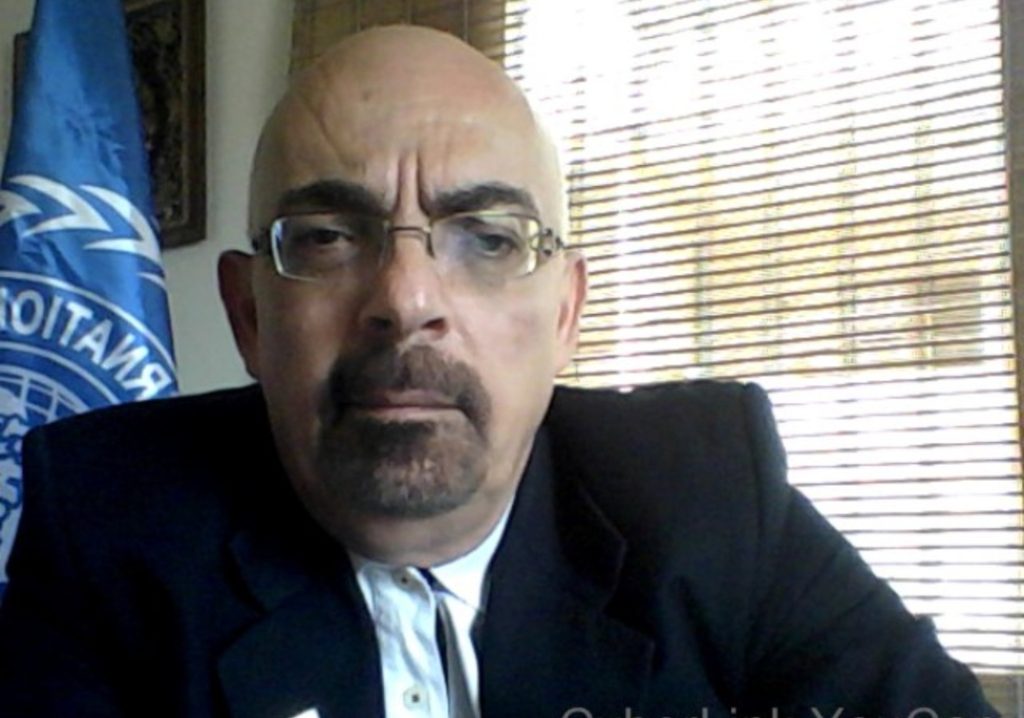
‎رأى مدير ورئيس تحرير وكالة الأنباء الدولية لحقوق الإنسان الدكتور هيثم بو سعيد، وفي حديث خاص مع وكالة الأنباء الدولية لحقوق الإنسان بحضور مدير مكتبها في مصر محمد طعيمة، أن توصيف نظام الحكم الحالي في سوريا وربطه بمجموعات تُنسب إلى بني أمية وتقديمه تحت غطاء الادعاء بالإسلام، هو طرح غير واقعي ومجافٍ للقراءة التاريخية الموضوعية.
‎وأشار د. بو سعيد إلى أن استدعاء النموذج الأموي في السياق السياسي المعاصر يتجاهل الطبيعة المركّبة للمرحلة التاريخية التي عُرفت بـ الدولة الأموية، والتي شهدت أحداثًا معقدة وصراعات سياسية وعسكرية شديدة في القرن السابع الميلادي، ضمن ظروف تاريخية مختلفة كليًا عن واقع اليوم.
‎وأوضح أن اسم الدولة الأموية ارتبط تاريخيًا بحادثة حصار مكة خلال الصراع مع عبد الله بن الزبير، حيث قام جيش الحصين بن نمير بقصف الكعبة بالمنجنيق، وهي من الوقائع التي لا تزال محل جدل بين المؤرخين في تفسير دوافعها ومسؤولياتها المباشرة.
‎وأضاف أن تلك المرحلة شهدت ما يُعرف في كتب التاريخ الإسلامي بـ”الفتن الكبرى”، إلا أن توصيفها يختلف بين الباحثين؛ فبينما يراها البعض “فتنًا” ذات طابع ديني داخلي، يعتبرها آخرون سياقات سياسية وعسكرية مرتبطة بصراعات على السلطة ضمن معادلات زمنها.
‎وختم د. بو سعيد بالتأكيد على أن قراءة التاريخ تتطلب مقاربة علمية متوازنة، بعيدًا عن التوظيف السياسي أو الإسقاطات المعاصرة، لما لذلك من أثر على فهم الوقائع وصياغة المواقف في الحاضر، وخصوصا تاريخ سوريا المجيد والاستقلال الذي قاده سلطان باشا الاطرش ضد الاحتلال الفرنسي.

‎Dr. Haissam Bou Said, Director and Editor-in-Chief of the International News Agency for Human Rights, stated in remarks to the agency, alongside its Egypt Office Director Mohamed Tuaima, that describing the current system of governance in Syria as being controlled by groups linked to the Umayyads and acting under the claim of Islam is an unrealistic and historically imprecise assumption.
‎Dr. Bou-Said explained that invoking the historical model of the Umayyad Caliphate in today’s political context overlooks the complex nature of that historical period, which was marked by intense political and military conflicts during the seventh century.
‎He noted that the name of the Umayyad state has historically been associated with the siege of Mecca during the conflict with Abdullah ibn al-Zubayr, when forces led by Husayn ibn Numayr reportedly shelled the Kaaba with catapults. These events remain subject to differing historical interpretations regarding motives and direct responsibility.
‎He further emphasized that what are referred to in Islamic historiography as the “major fitan” (civil strife) are viewed differently by scholars—some interpret them as religiously framed internal conflicts, while others consider them political and military struggles over authority within their historical context.
‎Dr. Bou-Said concluded by stressing that historical analysis must be approached with scholarly balance, free from contemporary political projections, as misusing history can distort both understanding of the past and assessment of present realities, Especially Syria’s glorious history and the independence led by Sultan Pasha al-Atrash against the French occupation
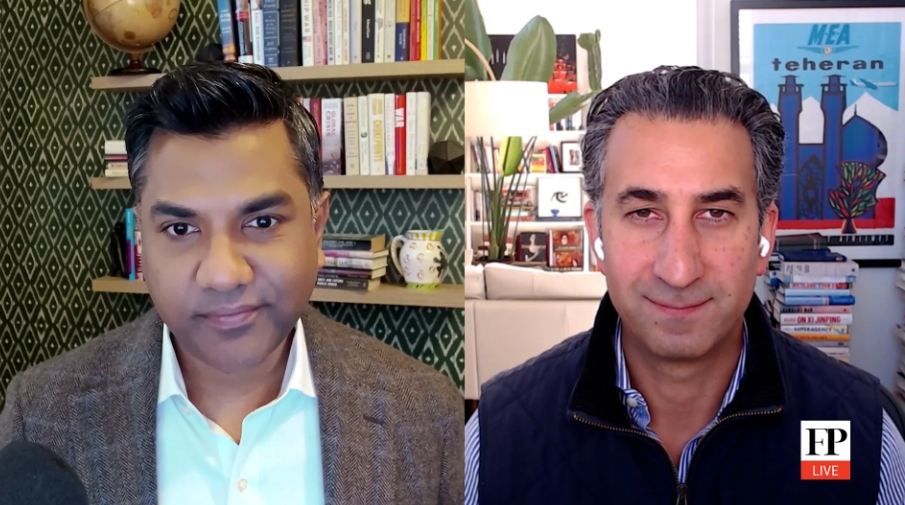
karim Sadjadpour: This time , Teheran is threatening to “regionalize the war’

Karim Sadjadpour: This time, Tehran is threatening to “regionalize the war.”
Last

Last month, after the United States successfully toppled and captured the leader of Venezuela, Nicolás Maduro, there was an immediate expectation that the White House would try something similar in Iran. But President Donald Trump reportedly held back partly because he didn’t have enough military assets in the Middle East. That is now changing. In recent weeks, the Pentagon has stationed a carrier strike group and missile defense systems in the region, even as diplomacy between Washington and Tehran has ramped up.

Is the military maneuvering a coercive strategy, or will Trump actually pull the trigger?

“Trump himself has telegraphed that his Iran playbook will likely be taken from his Venezuela strategy,” said Karim Sadjadpour, an Iran expert at the Carnegie Endowment for International Peace, speaking on FP Live. “But Venezuela is in the Western Hemisphere; it’s a country that we’re much more familiar with. We haven’t had any relationship or embassy in Iran since 1979, so our intelligence capabilities are much more limited compared to Venezuela.”

Now that the Iranian regime has crushed last month’s nationwide protests, what exactly does its leadership stand for? “The three pillars left of the 1979 revolution are death to America, death to Israel, and the hijab, the mandatory veiling of women,” said Sadjadpour. “It’s notable that despite most women, certainly in Tehran, no longer abiding by the hijab, the regime refuses to remove that as compulsory because they fear that if you remove hijab—which [former Supreme Leader Ruhollah] Khomeini called the flag of the Islamic revolution—then people are just going to ask for more concessions.”

Speaker Nabih Berri and His Role as a Mediator Between Factions in the person of Speaker Nabih Berri /

الرئيس نبيه بري وموقع الوصل والفصل بين الفرقاء
في شخص الرئيس نبيه بري

يتقاطع الخارج الدولي والاقليمي والداخل اللبناني المحلي، ما يعطيه دورا محوريا في ايجاد “المخارج والتسويات الممكنة”. فكما يعتبر اللبنانيون ان المؤسسة العسكرية هي ضمانة الوحدة الوطنية والسلم الاهلي والسيادة يرون ايضا ان الرئيس بري هو ضمانة الاعتدال والمشترك بين اللبنانيين والاكثر معرفة باتجاه الرياح والعواصف.
اما خصوصية الرئيس بري فإنه اولا يدير دفة التشريع في لبنان.
وثانيا مقتنع بكون لبنان وطنا نهائيا لكل اللبنانيين. وثالثا ضد فكرة التقسيم والدويلات الطائفية والكانتونات. ورابعا تغليب الحوار بين اللبنانيين على فكرة الخلاف بحثا عن نقاط التلاقي ولو تطلّب الأمر تنازلات متبادلة. وخامسا تنفيذ بنود اتفاق الطائف كاملة ولو على حسابه الشخصي. وسادسا مد اليد للآخرين للخروج من النظام السياسي الطوائفي إلى الدولة المدنية التي تلغي السقوف المتعددة للطوائف وتساوي بين المواطنين. وسابعا انتماؤه للطائفة الشيعية المستهدفة بحصار دولي تحت عنوان امتلاك حزب الله للسلاح. وهو حصار يعطي اسرائيل ذريعة التصرف في اعتداءات على القرى والبلدات الآمنة وفي اغتيالات لا تستبعد المدنيين وفي التوسع الجغرافي على الحدود. وبهذا المعنى الرئيس نبيه بري معني بحماية الجنوب والبقاع ولا يساير أحدا بهذا الموضوع . أي أنه يلتزم بورقة التفاوض الرسمية والتي أقرّها الرئيس العماد جوزاف عون ومعه الحكومة والتي تدعو الى تنفيذ القرار ١٧٠١ والانسحاب الاسرائيلي من النقاط المحتلة ووقف الاعتداءات والاغتيالات والافراج عن الاسرى اللبنانيين.واستطرادا ربط حصرية السلاح بيد الدولة عبر تنفيذ ما التزمت به اسرائيل مع علاج محلي لسلاح الحزب من ضمن رؤية وطنية استراتيجية وامنية تقوم على فكرة “الاحتواء” والتأكيد على السيادة.
وثامنا يشكّل شخص الرئيس نبيه بري نافذة حزب الله الرسمية للتعامل مع الخارج الدولي سواء الاوروبي او الاميركي. وهو ليس على الحياد في هذا الأمر، وان كان براغماتيا يدوّر الزوايا استنادا الى معادلة الوصل والفصل في آن معا. وتاسعا “تصويب” العلاقة بين الرئيس العماد جوزاف عون وحزب الله بعد أن برزت معالم الفتور والابتعاد والشكوك فيعيد مكانا للحوار والبحث عما يجمع لا عما يفرّق.
باختصار شديد الرئيس نبيه بري في المعادلة اللبنانية هو الذي يحوز على الاجماع اللبناني، وهذا امر يمنحه موقعا أبعد من الحدود اللبنانية الى بعد اضافي في الحوار
بين واشنطن وطهران تلافيا لحرب لا تحمل الا الفوضى لكل دول المنطقة ولا تستثني لبنان .

International, regional, and Lebanese domestic interests intersect, granting him a pivotal role in finding possible solutions and compromises. Just as the Lebanese consider the military institution a guarantor of national unity, civil peace, and sovereignty, they also see Speaker Berri as a guarantor of moderation, a common ground among the Lebanese, and the one most attuned to the prevailing winds and storms.

Speaker Berri’s unique position stems from several factors: First, he steers the course of legislation in Lebanon.

Second, he is convinced that Lebanon is the final homeland for all Lebanese. Third, he opposes the idea of ​​partition, sectarian mini-states, and cantons. Fourth, he prioritizes dialogue among the Lebanese over conflict, seeking common ground even if it requires mutual concessions. Fifth, he is committed to the full implementation of the Taif Agreement, even at his own expense. Sixth, he extends a hand to others to move from the sectarian political system to a civil state that eliminates the multiple quotas of sects and ensures equality among citizens. Seventh, his affiliation with the Shiite community, which is targeted by an international blockade under the pretext of Hezbollah’s possession of weapons, is a factor. This blockade provides Israel with a justification for attacks on safe villages and towns, assassinations that do not exclude civilians, and territorial expansion along the border. In this sense, Speaker Nabih Berri is committed to protecting the South and the Bekaa Valley and will not compromise on this issue. He adheres to the official negotiating position endorsed by President Joseph Aoun and the government, which calls for the implementation of UN Security Council Resolution 1701, Israeli withdrawal from occupied territories, a halt to attacks and assassinations, and the release of Lebanese prisoners. Furthermore, it links the state’s monopoly on the use of force to the implementation of Israel’s commitments, along with a local approach to Hezbollah’s weapons within a national strategic and security framework based on the concept of “containment” and the affirmation of sovereignty.

Eighth, Speaker Nabih Berri serves as Hezbollah’s official channel for dealing with the international community, both European and American. He is not neutral on this matter, although he is pragmatic, navigating complexities based on a simultaneous approach of engagement and separation. Ninth, “correcting” the relationship between President General Joseph Aoun and Hezbollah, after signs of coolness, estrangement, and suspicion emerged, thus restoring space for dialogue and focusing on what unites rather than what divides.

In short, Speaker Nabih Berri, in the Lebanese equation, is the one who enjoys Lebanese consensus. This grants him a position that extends beyond Lebanon’s borders to an additional dimension in the dialogue between Washington and Tehran, a dialogue aimed at averting a war that would bring nothing but chaos to all countries in the region, including Lebanon.