
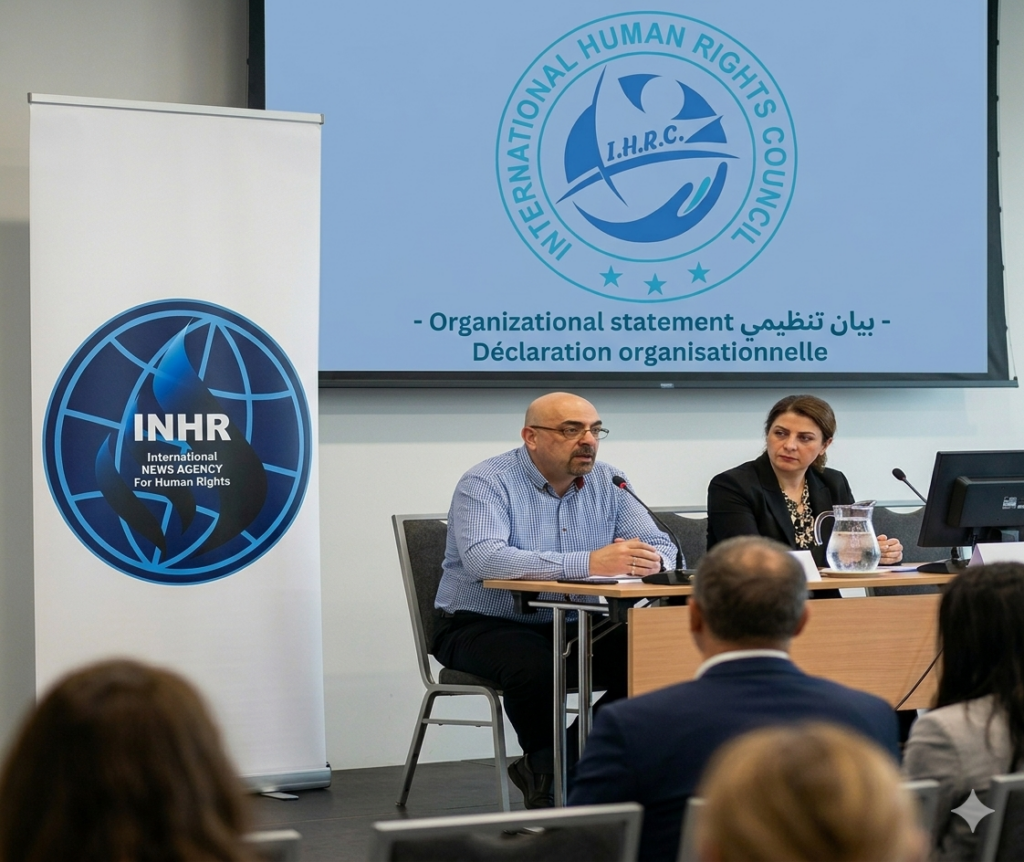
رأى الممثل الأعلى للشؤون الخارجية للمجلس الدولي لحقوق الإنسان IHRC المعتمد من الأمم المتحدة بصفة خاصة إيكوسوك ورئيس بعثتها إلى جنيف الدكتور هيثم بو سعيد في ندوة أقامتها وكالة الأنباء الدولية لحقوق الإنسان بالتنسيق مع المجلس، أن المجتمع الدولي يقف اليوم على أعتاب تحول تكنولوجي يمثل تحدياً إنسانياً بقدر ما هو تحدٍ تعليمي. وبينما نبحر في “عصر الذكاء الاصطناعي”، فإننا لا نقوم بمجرد تحديث البرمجيات في فصولنا الدراسية؛ بل نحن بصدد إعادة تعريف العلاقة الجوهرية بين الذكاء البشري والمعرفة المؤسسية.
إن الحق في التعليم، وهو الركيزة الأساسية لـ خطة التنمية المستدامة لعام 2030، يواجه حالياً واقعاً مزدوجاً. فمن ناحية، يوفر الذكاء الاصطناعي مساراً لسد الفجوة لملايين الطلاب من خلال التعلم الشخصي واللامركزي. ومن ناحية أخرى، فإنه يهدد بتوسيع الفجوة الرقمية لتصبح هوة دائمة، مما يترك القاطنين في المناطق المتأثرة بالصراعات والدول النامية في حالة من “الفقر المعلوماتي”.
ومن خلال الأزمة الراهنة هناك دعوة للإصلاح الهيكلي وعلينا أن نكون صريحين؛ إن نماذجنا التعليمية الحالية ، التي صُممت لعصر ما قبل الرقمية ، غير مجهزة لهذا التحول. ونحن نرصد هنا ثلاثة إخفاقات حرجة:
1. نزاهة الإنجاز حيث أصبحت التقييمات التقليدية متقادمة، وفشلت في التمييز بين البصيرة البشرية والمخرجات التي تولدها الآلة.
2. هناك فجوة البنية التحتية الرقمية، وبدون وصول سيادي ومنصف إلى تقنيات الذكاء الاصطناعي، يواجه “الجنوب العالمي” خطر التحول إلى مستهلك لخوارزميات أجنبية بدلاً من أن يكون خالقاً لمستقبله الفكري.
3. الفراغ الأخلاقي، فإن أتمتة التحيز وغياب الحماية القوية لبيانات القصر يمثلان تهديداً كبيراً لكرامة وخصوصية جيل المستقبل.
وأضاف أن خارطة الطريق ترتكز على خمس نقاط العمل لتحقيق نظام تعليمي يليق بالقرن الحادي والعشرين وهي:
أولاً: تربية الحكم النقدي: يجب أن ننتقل بالمناهج من تعليم الطالب “ماذا” يفكر إلى “كيف” يُقيّم. يجب أن تكون مهارات الذكاء الاصطناعي، بما في ذلك القدرة على كشف التحيز والتحقق من الحقيقة، كفاءة أساسية منذ المراحل الأولى للتعليم.
ثانياً: نموذج المعلم المُوجه: يجب أن نمكّن معلمينا باعتبارهم “العنصر البشري المحوري” الذي لا غنى عنه. يجب أن تعمل التكنولوجيا على تحرير المعلمين من الأعباء الإدارية، ليتفرغوا للتنمية النفسية والأخلاقية لطلابهم.
ثالثاً: البنية التحتية كمنفعة عامة: يجب الاعتراف بالاتصال عالي السرعة ومنصات الذكاء الاصطناعي التعليمية كـ سلع عامة دولية. يجب أن نمنع احتكار المعرفة من خلال ضمان وصول هذه الأدوات إلى كل طفل، بغض النظر عن موقعه الجغرافي أو وضعه الاقتصادي.
رابعاً: إعادة تصميم جذرية للتقييم: نحن ندعو إلى الانتقال نحو التقييم الأصيل، وهي التقييمات التي تعطي الأولوية لعملية التعلم، والدفاع الشفهي، وحل المشكلات الإبداعية على الاختبارات الموحدة الساكنة.
خامساً: الحوكمة الأخلاقية العالمية: ندعو إلى إطار عمل دولي يفرض الشفافية في الخوارزميات التعليمية. لا يجوز أن يكون أطفالنا مجرد نقاط بيانات في تجارب غير خاضعة للرقابة.
وختم د. بو سعيد إن الهدف ليس التنافس مع الآلة، بل تنمية الخصال التي لا تستطيع الآلة محاكاتها؛ وهو التعاطف، والتفكير الأخلاقي المعقد، وشرارة الإبداع البشري.
كما إن الاستقرار في المناطق، وقوة المؤسسات الدولية، تعتمد على مواطنين لا يتمتعون فقط بـ “الكفاءة التكنولوجية”، بل بـ “السيادة الفكرية”. وليكن التعهد ببناء نظام تعليمي يستخدم قوة الذكاء الاصطناعي للارتقاء بالروح البشرية، لا لتحجيمها.
The High Representative for External Affairs of the International Human Rights Council (IHRC), accredited by the United Nations ECOSOC with special consultative status, and Head of its Mission to Geneva, Dr. Haissam Bou-Said stated during the International News Agency for Human Rights in cooperation with IHRC, that the international community today stands at the threshold of a technological transformation that represents not only an educational challenge, but also a profound human one. As the world navigates the era of artificial intelligence, educational systems are not merely updating software in classrooms, but fundamentally redefining the relationship between human intelligence and institutional knowledge.
He emphasized that the right to education, which remains a cornerstone of the 2030 Sustainable Development Agenda, is currently facing a dual reality. On one hand, artificial intelligence offers a pathway to bridge educational gaps for millions of students through personalized and decentralized learning. On the other hand, it risks deepening the digital divide into a permanent chasm, leaving populations in conflict-affected regions and developing countries trapped in what he described as “informational poverty.”
Dr. Bou-Said noted that the current crisis calls for comprehensive structural reform, stressing that existing educational models, designed for the pre-digital era, are not equipped to manage this transformation. He identified three critical failures:
1- Integrity of achievement: Traditional assessment systems have become outdated and can no longer effectively distinguish between genuine human insight and machine-generated outputs.
2- The digital infrastructure gap: Without sovereign and equitable access to artificial intelligence technologies, the Global South risks becoming merely a consumer of foreign algorithms rather than the creator of its own intellectual future.
3- The ethical vacuum: Automated bias and the absence of strong safeguards for minors’ data pose a direct threat to the dignity and privacy of future generations.
He further explained that the roadmap toward an educational system fit for the twenty-first century should be built upon five core pillars:
First: Cultivating critical judgment by shifting curricula from teaching students “what to think” toward teaching them “how to evaluate.” AI literacy, including bias detection and fact verification, must become a foundational competency from the earliest stages of education.
Second: The mentor-teacher model, which empowers educators as the indispensable human core of education. Technology should relieve teachers of administrative burdens, enabling them to focus on the psychological, ethical, and human development of students.
Third: Infrastructure as a public good. High-speed connectivity and AI educational platforms must be recognized as global public goods, ensuring universal access regardless of geography or economic status and preventing the monopolization of knowledge.
Fourth: Radical redesign of assessment systems through authentic evaluation methods that prioritize the learning process, oral defense, and creative problem-solving over static standardized testing.
Fifth: Global ethical governance through the establishment of an international framework that enforces transparency in educational algorithms, ensuring that children are not reduced to mere data points in unregulated experiments.
Dr. Bou-Said concluded by affirming that the ultimate goal is not to compete with machines, but to cultivate the uniquely human qualities that machines cannot replicate, namely empathy, complex ethical reasoning, and the spark of human creativity.
He further stressed that regional stability and the strength of international institutions depend on citizens who possess not only technological competence, but also intellectual sovereignty. He called for a collective commitment to building an educational system that harnesses the power of artificial intelligence to elevate the human spirit rather than diminish it.
Leave a Reply